
Raising backyard chickens has become a popular choice for homesteaders, gardeners, and even suburban families looking for a more self-sufficient lifestyle. With a steady supply of fresh eggs, natural pest control, rich fertilizer for the garden, and a way to cut down on kitchen scraps, chickens offer plenty of practical benefits.
But despite all their charm and usefulness, one big question remains: Are backyard chicken eggs actually cheaper than store-bought ones? At first glance, it might seem like a no-brainer—but the full cost of feed, housing, and care can add up faster than you think.
Let’s break down what it really costs to keep backyard chickens and whether the eggs they provide are truly a bargain. The answer might surprise you.
Chicken Coop: $200-$600

The coop is the heart of your chicken operation, providing a safe, dry space for your chickens to sleep, lay eggs, and escape predators.
A pre-made coop suitable for six hens can set you back up to $600. If you’re handy at DIY, the materials for a basic coop will cost around $200.
Run: $100-$500

A chicken run is an outdoor space where your chickens can roam and forage safely. It keeps them safe from predators and prevents them from wreaking havoc in areas where they are not welcome. A small, prefabricated chicken run can cost around $100, but added features like protective roofing can push the price up.
Feeder and Waterer: $30-$200

A simple plastic feeder or waterer for 6 hens typically costs around $15, while automated systems range from $50-$200.
Real Chickens: $18-$180 (price for six)
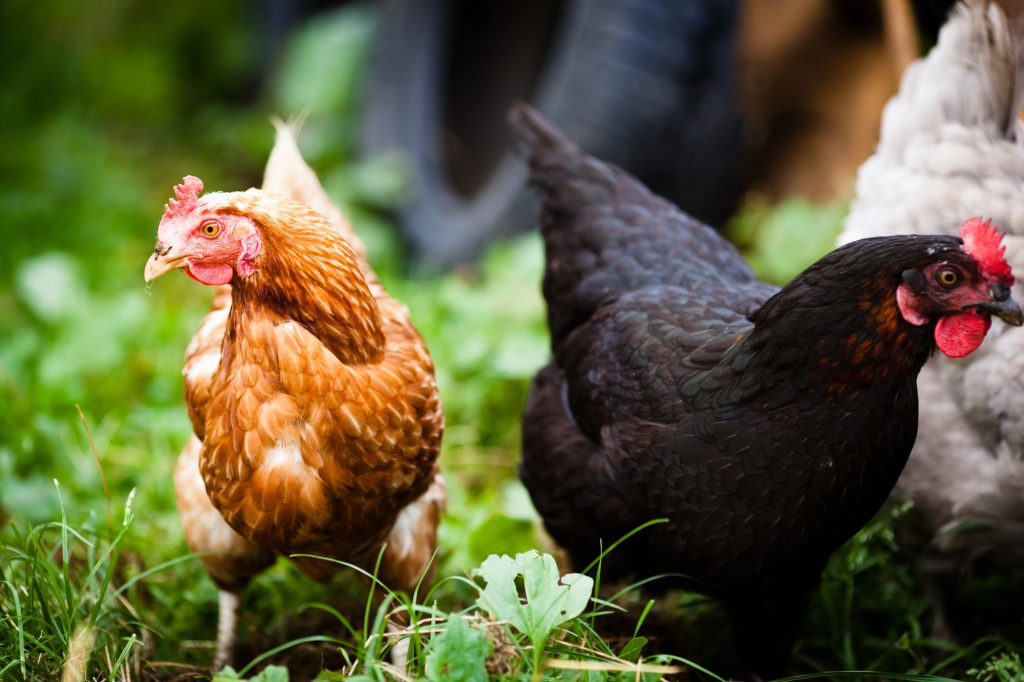
Once you’ve got the basics in place, you’ll need to buy some chickens! The price for day-old chicks typically ranges from $3 to $6 per chick, while adult point-of-lay hens can cost anywhere from $10 to $30 each, depending on the breed.
Feed: $22.50-$36 per month

Feed is one of the most significant ongoing expenses in raising chickens – they really do eat a surprising amount! On average, an adult laying hen consumes about 0.25 pounds of feed per day. So, for six hens, that’s about 1.5 pounds of feed daily or roughly 45 pounds of feed per month.
Prices for good-quality chicken feed vary, but expect to pay $0.50 to $0.80 per pound for an organic mix. Feeding your flock of six hens would cost $22.50 to $36 per month.
Water: $2-$5 per month
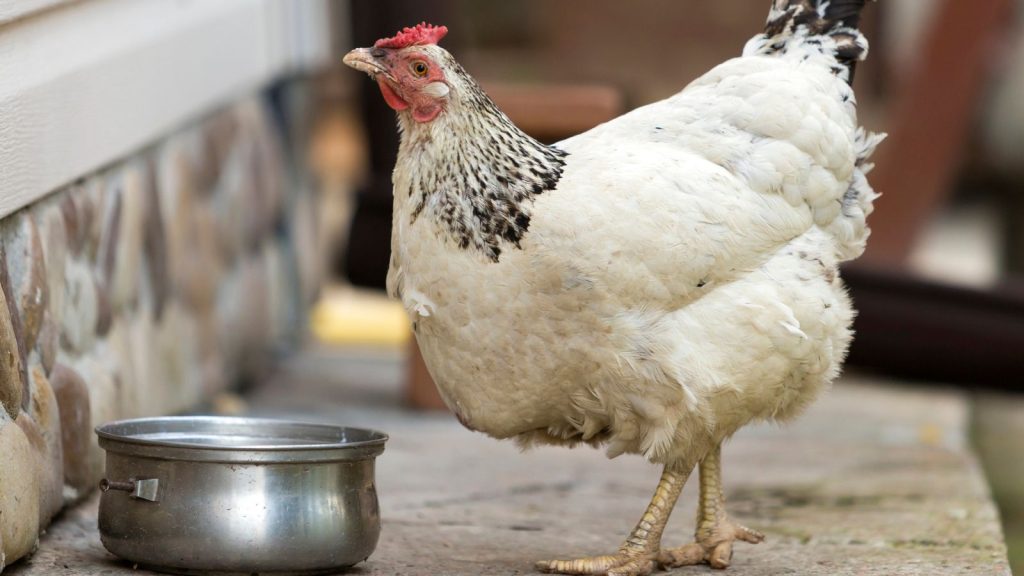
Chickens need access to fresh, clean water every day and will drink up to 1 pint daily if fed a cereal-only diet. The cost is generally minimal, but budget for a $2-$5 per month raise in your water bill.
Bedding: $5-$10 per month

Bedding on the floor of the coop helps to keep the environment clean and hygienic. Expect to spend $5 to $10 per month on wood shavings, straw, or pine pellets.
Healthcare: $5-$10 per month

Healthcare can be difficult to budget for. A healthy flock costs very little to maintain, but an outbreak of ill health or parasite issues can soon send costs skyrocketing. Set aside $5-$10 per month to build up a savings pot in case of healthcare emergencies.
Electricity: $10-$30 per month

If you’re using heat lamps or heated waterers or need extra lighting for your chickens, you may notice an increase of up to $30 per month in your electricity bills.
Egg Production vs. Purchase

So, how do these figures add up compared to buying eggs from the store? Let’s do the math!
- Total Initial Setup Costs: $348-$1,480 initial setup costs
- Total Ongoing Costs: $34.50 to $91 per month for six hens
Realistically, most hens lay an average of four eggs per week over the year. Based on this you can expect to collect around 104 eggs per month from your flock of six hens, costing $34.50 to $91 in feed, bedding, and other consumables.
The price of eggs can fluctuate widely, but organic eggs typically retail at $4 to $7 per dozen. So, to buy the equivalent number of eggs from the store would cost $35-$60 per month – not all that different from our home-produced eggs!
Bear in mind that this is a very simplified costing, and many variables can affect how much it costs to rear backyard chickens. Younger hens will often lay five or six eggs per week, making them more profitable, but as they grow older, production will slow down.
19 Things You Should Know Before Getting Chickens

Before you jump into the world of chicken-keeping, there are a few essential things to know. Here’s our comprehensive guide of 19 essential tips to help you become a confident and successful chicken owner!
19 Things You Should Know Before Getting Chickens
The Best Animals to Raise on Your Homestead That Aren’t Chickens

If you are looking for animals to raise on your homestead beyond chicken, here are 14 that we’ve rounded up.
The Best Animals to Raise on Your Homestead That Aren’t Chickens
How to Raise Your Own Chickens

Here’s a guide on how to raise your own chickens to lay eggs and eat meat.
How to Raise Your Own Chickens
