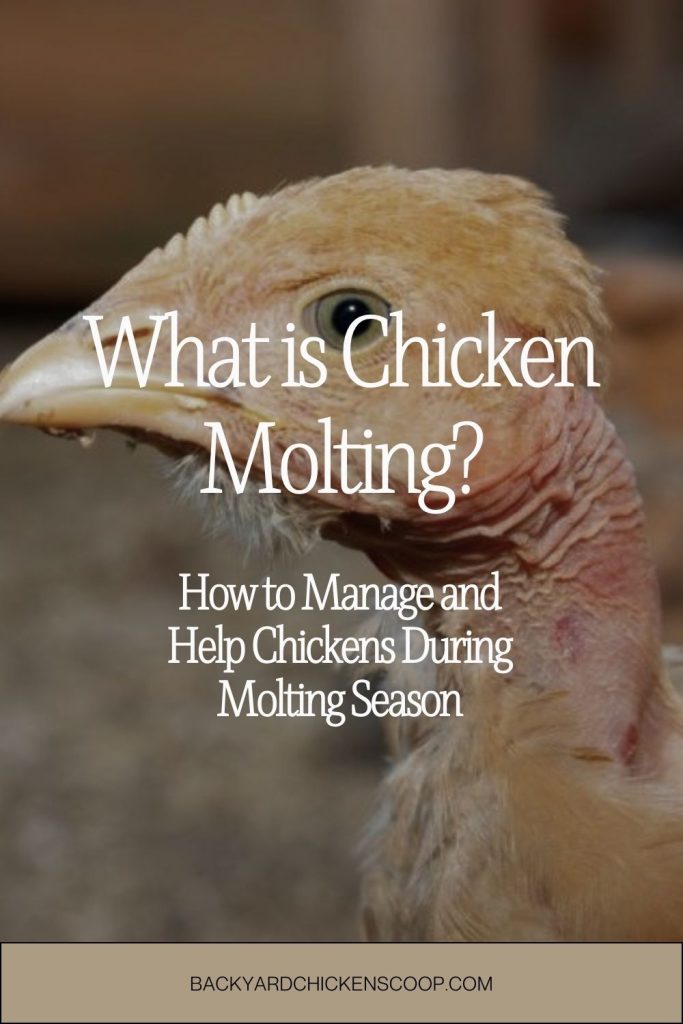
Molting is a completely natural process where chickens shed their old feathers to make room for fresh new ones. While it’s an essential part of their growth and health, it can be a bit unsettling, especially if you’re a first-time chicken keeper. During this period, chickens may look scruffy, with bald patches and a generally bedraggled appearance, which might lead you to worry that something is wrong. However, rest assured that molting is a normal, albeit messy, part of a chicken’s life.
Molting can also affect your flock’s egg production, as chickens channel their energy into growing new feathers instead of laying eggs. The process usually happens once a year, often in late summer or fall, and can last anywhere from a few weeks to a few months. Understanding how to support your chickens through this transitional phase can help them stay healthy and come out looking better than ever.
If your chickens are starting to molt, here’s how you can make the process easier on them while keeping your flock comfortable and well-supported.

What is chicken molting?
Chicken molting occurs when chickens shed their old, worn-out feathers and grow new ones. Feathers play a vital role in maintaining a chicken’s body temperature, providing protection from the elements, and supporting overall health. Molting allows chickens to refresh their plumage, which can become tattered and less efficient after months of wear and tear.

When do chickens molt?
Chickens normally molt once a year, typically in the late summer or early fall. The timing of molting means your flock will have lovely new plumage ready to protect them during the cold, wet winter months.
Young chicks undergo a series of molts as they lose their fluffy baby feather and grow their adult plumage. However, the first full molt most chicken owners see is around 18 months old, with an annual molt every year after. The timing of the annual molt is triggered by changing daylight hours, which is why it normally occurs in the fall.
It is important for chicken keepers to understand that stress factors such as extreme heat, poor nutrition, or illness can trigger an out-of-season molt, leading to a weakened immune system. If your chickens have started to molt prematurely, it is important to investigate why.
What are the signs of chicken molting?

The most obvious sign of chicken molting is feather loss – your chickens will appear patchy and scruffy, and you might notice feathers scattered in the coop or run. If you look closely at areas of feather loss, you’ll see small, spiky shafts called pin feathers pushing through the skin, ready to unfurl into lustrous new plumage.
The molting process is energy-intensive, so your flock may appear less vibrant and become more reserved in their behavior during this time. They will also divert energy from laying eggs to growing new feathers, so egg production often slows down or stops altogether during molting.
Feather loss in chickens can also indicate more serious health problems, so it is important to familiarize yourself with what is normal during molting. Molting chickens commonly reduce their activity levels, but they should still be alert and interested in food. If your hens are listless and sitting away from the flock, it is worth looking closely for other ill health symptoms.
It is also important to closely monitor the pattern of feather loss during molting. The molt typically begins at the head and neck and progresses down the body to the breast, back, wings, and finally, the tail. If feather loss is localized to large bald spots, the skin is red and inflamed, or you see other symptoms such as diarrhea or lethargy, it’s worth investigating further to rule out illness or parasites.
Related: How to Identify Black Spots On Chicken Comb: Causes and Prevention Methods
How long does chicken molting last?
Molting typically lasts 8 to 12 weeks, though it can vary depending on the chicken. Some chickens may go through a fast molt, replacing their feathers in just a few weeks, while others experience a slower, more gradual process. In some cases, molting may last as long as four months, especially in older chickens or those experiencing stress.
During molting, egg production will decrease as chickens prioritize feather growth overlaying. Some hens continue laying during the molt, albeit less frequently, while others stop altogether. High-producing breeds resume laying sooner after the molt, while others take their time to fully regrow feathers before returning to regular egg production.
Interestingly, it has been shown that ‘late molters’, who produce eggs for 12 to 14 months before molting, have a rapid molt and faster return to egg production. In contrast, ‘early molters’ begin molting after only a few months of laying and take 4 to 6 months to complete the process – similar to their wild ancestors. Early molters tend to have lower egg productivity than their late counterparts but are less prone to molting stress.

Is molting painful for chickens?
Molting can be uncomfortable for chickens, especially when the pin feathers are emerging. These new feathers contain blood vessels that nourish them as they grow, making chickens more sensitive to touch.
Your chickens may become skittish or avoid being handled altogether during this time, and you might notice them preening more frequently to help remove the feather sheaths.
This discomfort is particularly noticeable in our larger Brahma chickens with their glorious feathered legs. During the molting period, our Brahma rooster always has a difficult few days when his new leg feathers come through – during this time, we’ll often find him standing on one leg, and he is much less active than usual. Luckily, this discomfort is short-lived, and he’s soon back to full rooster duties!
How to Help Chickens During Molting Season
Molting is a natural process that every chicken experiences annually, and providing extra care and attention can help ease any discomfort they may experience during this period.
When chickens are molting it is important to handle them gently as their skin can become quite sensitive. Avoid picking them up unless absolutely necessary, and do not touch areas where new pin feathers are emerging.
Feather regrowth is a protein-intensive process, so offering a higher-protein feed or supplementing your chickens’ diet with protein-rich snacks like mealworms, scrambled eggs, or fish can be beneficial. Switching to a specially formulated ‘feather fixer’ feed is another option, as these feeds are designed to meet the nutritional needs of molting chickens.
During molting, ensure your flock has a calm, tranquil environment. Make sure the coop is clean and dry with plenty of comfortable bedding, and avoid introducing new birds to the flock until molting has finished. Our chickens spend a lot of time dust-bathing during the molting period, so ensure you provide ample opportunities for your birds to scratch and preen.
Other Ideas You Might Like
- Common Sick Chicken Symptoms and Treatments
- What Can Chickens Eat? An Alphabetical Guide
- 19 Chicken Breeds with the Most Beautiful Egg Colors
- How to Raise Meat Chickens
- How to Choose a Heritage Chicken Breed for the Homestead