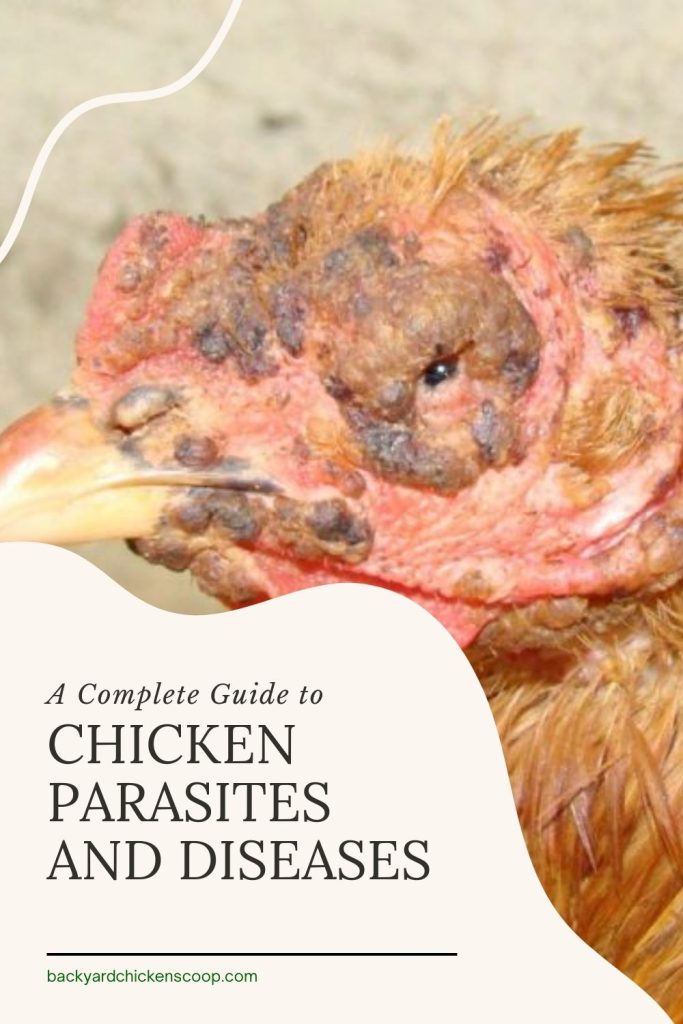
Raising healthy chickens requires more than just providing food, water, and shelter. One of the biggest challenges poultry keepers face is the threat of parasites and diseases that can compromise the well-being of their flock.
External parasites, such as mites and lice, or internal parasites, including worms and protozoa, can cause these health issues. In addition, bacterial and viral infections can spread rapidly, leading to illness and, in severe cases, death.
While some infections and infestations show apparent symptoms, others may go unnoticed until the condition has worsened. Affected chickens may experience weight loss, reduced egg production, lethargy, feather loss, or respiratory distress. These issues can spread throughout the flock without proper treatment, causing significant harm.
This guide will cover the most common parasites and diseases in chickens, how to recognize symptoms early, and effective methods for prevention and treatment.
External Parasites
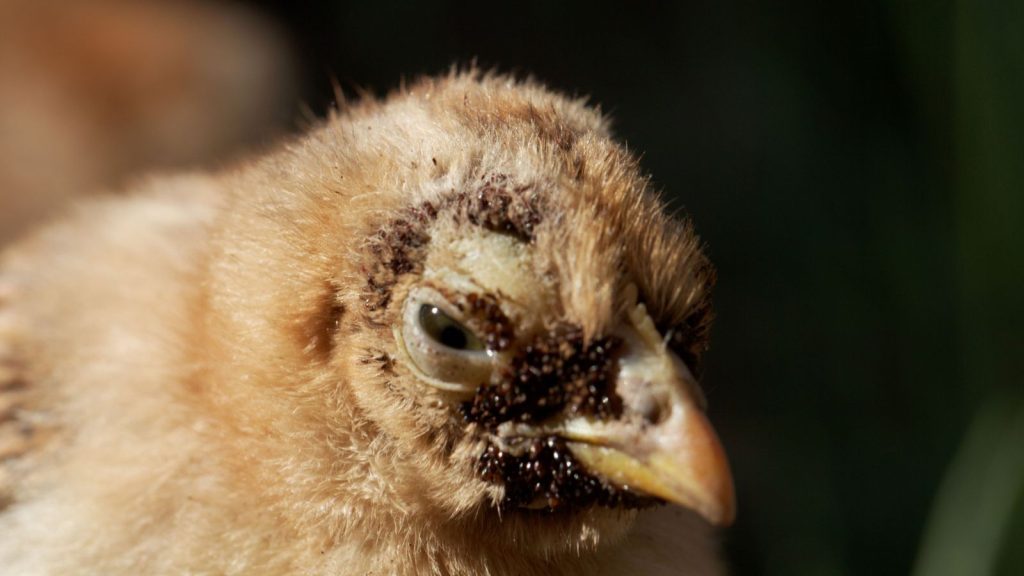
External poultry parasites don’t live in the host, but they feed on them from the outside. Some are large and can be seen with the naked eye, while others are extremely tiny. External parasites feed on the poultry’s blood, dead skin, and the feather shaft’s debris.
Red Mite
Signs and illness development
Red mites can result in a wide range of symptoms in poultry. The most common ones include:
- Skin irritation
- Anemia (blood loss)
- Restlessness
- Weakness
- Dullness
Diagnosis
Healthy chickens usually have bright red combs. If you suspect your chickens have been infected with red mites, check if the combs have the wattle color.
Treatment, prevention, and control
You can treat these parasites by administering Exzolt. Put it is in the poultry’s drinking water. To prevent and control their spread, use natural alternatives such as dust baths, keeping the coop clean, and detergent-based products such as Smite.
Zoonotic Potential
Red mites don’t just affect poultry. They can also bite human beings, resulting in dermatitis and itching.
Sources: Moredun Org and Farmers Weekly
Northern Fowl Mite (The chicken vent parasite / Ornithonyssus sylviarum)
Signs and illness development
This is a temporary bird parasite whose symptoms include:
- Scaly legs and skin
- Broken feathers
- Baldness around the neck
Diagnosis
A quick way to diagnose the Northern Fowl Mite is by checking the poultry’s comb. This parasite usually makes the comb pale and results in dirty-looking vent feathers.
Treatment, prevention, and control
After positively diagnosing your poultry, you should administer treatment by spraying or dusting them with an insecticide. You can prevent the infestation by ensuring that the coop is clean. The best control techniques are spraying
Zoonotic potential
Northern fowl mite has the potential to affect human beings, resulting in:
- Skin lesions
- Allergic reactions
- Dermatitis
- Pruritus
Sources: Science Direct
Common Chicken Louse (Monopod gallinae)
Signs and illness development
Symptoms of Common Chicken Lice include:
- Constant fatigue accompanied by signs of sluggishness and withdrawal
- Constantly dirty vent
- Pale combs and wattles
- Itchiness
- Drooping wings
- A significant drop in the production of eggs
Diagnosis
To diagnose this condition, check the combs, vent, and wings. Common Chicken Lice usually result in pale combs with wattles due to anemia. If the vent is constantly dirt with specks or the wings drooped, your chicken is probably unwell.
Treatment, prevention, and control
A common treatment option involves the use of food-grade diatomaceous earth for dusting. Besides that, ensure that you feed your chicken iron due to deficiency caused by anemia.
To control the spread of Common Chicken Lice, quarantine infected chickens since these parasites usually spread very quickly. Besides that, frequently treat your chicken with the appropriate dust baths.
Zoonotic potential
Just like the other mites, Common chicken lice don’t live in human beings. However, it usually causes bites that leave itchy red marks.
Sources: Hobby Farms and The Happy Chicken Coop
Scaly Leg Mite (Cnemidocoptes mutans)
These chicken parasites normally affect the chickens’ feet, resulting in significant deformities.
Signs and illness development
- Lameness and deformities
- Pain and loss of toes
- Thick and crusty-looking chicken legs and feet with scabby
Diagnosis
Chickens normally have scales on their feet, but the scales are smooth and usually lie flat. Diagnosing Scaly Leg Mites in chickens involves checking the legs for rough and uneven scales. In some instances, the scales may grow thick and start to peel up.
Treatment, prevention, and control
Home-made treatment usually involves soaking the chicken’s feet in warm and soapy water to loosen the dead scales for easier removal. When you soak the chicken’s feet, the mites will be killed by suffocation. If the symptoms are severe, then a veterinarian can recommend Ivermectin.
To prevent and control the spread of scaly leg mites, ensure the coop is clean and regularly disinfected. It’s also important to frequently give your chickens dust baths to minimize their chances of parasitic infections.
Zoonotic potential
Scaly leg mites can be passed to human beings, and they can even set up their human infestation. Symptoms can include itchy skin and scaly feet. You can use home remedies for treatment by soaking your feet in warm water, exfoliating the dead scales, and then using petroleum jelly to lather the area.
Depluming Mite (Cnemidocoptes gallinae)
Signs and illness development
- Bald patches and tattered feathers as a result of the bird plucking its own feathers
- Intense irritation resulting in skin damage and oozing fluid
- Constant preening
- Weight loss
- Scaly, crusty skin and broken feathers
Diagnosis
If you notice bird cannibalism, then your chickens probably have Depluming mites. These parasites lead to a constant feeling of itchiness; hence, your birds may end up pulling down their own feathers as well. The irritation is usually intense, causing the chicken to lose weight.
Treatment, prevention, and control
Common treatment options usually involve the use of sulfur baths. You can conveniently find this natural product in most pet stores. Besides that, you can also use Ivermectin treatment, but only if a veterinarian gives you the prescription. To control the spread of Depluming Mites, isolate the infested birds.
Zoonotic potential
They can affect humans, leading to itchiness. They are non-borrowing mites that can bite human beings.
Source: Parasitipedia
Fowl Ticks (Argas persicus)
Signs and illness development
- A reduction in the production of eggs
- Red spots on the chickens’ skin
- Sudden uneasiness during roosting
- Weight loss and toxemia
- Anemia and paralysis
Diagnosis
Birds that are infested with fowl ticks tend to suddenly get agitated when they are supposed to roost. Besides, you might notice that they are reluctant to get inside the coop since the area is tick-infested.
Check the area below the roosts, especially places with cracks, if dark or burgundy spots exist.
Treatment, prevention, and control
You can treat fowl ticks with Malathion, a powder or spray treatment. Apply it to all the components found in the coop. Besides that, FGDEs and poultry protectors are great. The control and prevention technique you can apply includes always keeping the coop clean.
Furthermore, make it a habit to use organic repellent just before your chickens get out to free range. Eliminate tall grasses and bushes in your backyard. Don’t forget to add garlic powder to the chicken’ feed since it helps to deter pests such as ticks from burrowing or feeding on the chicken’s skin.
Zoonotic potential
Fowl ticks and chicken parasites cause severe skin irritation in human beings. These ticks have painful bites with toxic after-effects. While such occurrences are usually very rare, they can still occur under extreme conditions.
Sources: Science Direct and Tilly’s Nest
Bedbugs (Came lectularius)
Signs and illness development
- Excessive loss of feathers
- Lesions found on legs and breasts
- Anemia
- Cloacal irritation
- Highly irritable chickens
Note: A chicken may succumb due to severe blood loss
Diagnosis
Look for empty exoskeletons, dark specks, and reddish stains in the coop.
Treatment, prevention, and control
Heat treatment can treat the coop when the chickens are outside. Create a sustained heating structure that can reach the highs of 130F. In severe cases, a veterinarian may also prescribe pesticides to spray in crevices, corners, and cracks.
Zoonotic potential
Even though they don’t live in humans, bedbugs are a nuisance that feeds on human blood. These chicken parasites quickly spread, so you can unknowingly carry them to your house or spread them between different kitchen coops. Bedbugs result in itchy bites.
Sources: The Poultry Site and Science Direct
Scaly Leg and Scaly Face (Cnemidocoptes mutans)
Signs and illness development
- Crusty and lumpy scales that are uneven and slightly raised
- Thickened skin
- Necrosis, deformity, or lameness as a result of heavy crusting
- Crustiness that starts at the poultry’s beak and has a honeycombed appearance
Diagnosis
Check if your chicken has scaly legs that have thickened and they have a lumpy/rough appearance. In some instances, you might notice a lump that appears to be white growth on the leg.
Check if there is a sign of white or grey crustiness near the corners of your chicken’s beak. The formation of white crusts on the bird’s skin is the surest form of diagnosing this parasitic infestation.
Treatment, prevention, and control
A veterinary officer can recommend Ivermectin if the condition is severe. Besides that, a vet can recommend the use of Moxidectin for oral intake. You can suffocate the parasites by soaking the chicken’s feet in water to suffocate them.
A scaly face can be treated with a petroleum jelly product or paraffin oil to suffocate the parasites and promote the growth of new scales.
Zoonotic potential
Scaly leg and scaly face parasites are considered to be zoonotic. In human beings, they can cause a mild condition of hyperemia and pruritus.
Sources: Science Direct and The Chicken Vet
Intestinal Parasites (Chicken Parasites Worms)
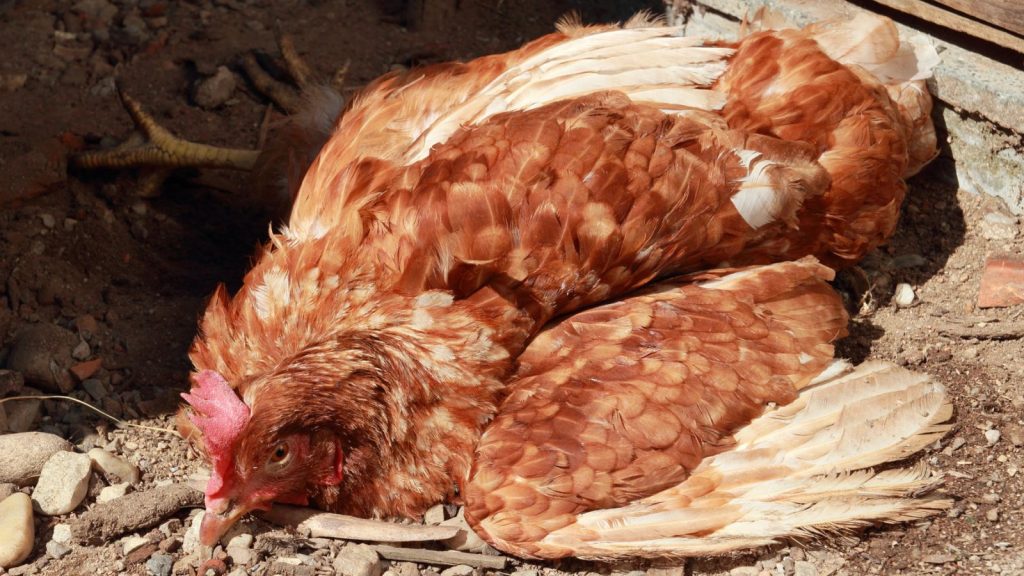
These chicken parasites reside internally in the chicken’s body.
Examples of intestinal parasites include:
Capillaria
Signs and illness development
Signs of Capillaria are difficult to detect since this is a chronic type of infection. Some birds may, therefore, fail to show the obvious signs. However, you can analyze non-specific signs such as:
- Weight loss
- Intermittent diarrhea
- Reduced appetite
- Pale combs as a result of anaemia
Diagnosis
Fecal flotation should be done to identify if there are barrel-shaped eggs. However, clinical tests are usually the most effective since they are more precise. So, a necropsy examination of the intestines and esophagus should be administered.
Treatment, prevention, and control
Capillaria is a disease with multiple drug resistance, and treating it can be quite challenging. However, A veterinarian can recommend using Ivermectin, Mebendazole, and Fenbendazole for therapy.
To control the development and spread of Capillaria, it’s essential to keep your chicken’s bedding dry. Don’t forget to change them frequently since these worms need a humid environment to lay eggs.
Zoonotic potential
While this is a worldwide zoonosis, mostly of small mammals, the chances of human disease are very rare.
Sources: WikiVet and Parasitipedia.net
Heterakis
Signs and illness development
The eggs of Heterakis worms can remain viable for several months in the right environment. This means that it may take time for symptoms to fully develop. Clinical symptoms of Heterakis include:
- Wasting
- Depression
- Diarrhea
Diagnosis
If you have egg-laying eggs, you will notice a significant drop in the production of eggs. Proper diagnosis requires testing of the host feces to check the presence of eggs.
Treatment, prevention, and control
Effective treatment involves the use of Mebendazole. It’s an oral medication that can be distributed to all your flock through food and water. Using a hardware cloth for bedding also helps minimize the chances of this parasitic infection.
To prevent and control the spread of Heterakis worms, your birds’ beddings should remain dry. Additionally, make it a habit to change them frequently. Pasture rotation is also great, especially when the birds are still young.
Zoonotic potential
Birds that are infected with these worms can’t transfer them to humans. This is because Heterakis worms are not human parasites.
Sources Parasitipedia.net
Ascarids
Signs and illness development
Clinical signs and symptoms include:
- Drooping wings
- Anorexia
- Dehydration and diarrhea
- Stunted growth
- Changes in behavior and dullness
- Weight loss and ruffled feathers
- Misshaped eggs and soft, thin eggshells
- Lethargy
Diagnosis
Clinical diagnosis involves a microscopic examination of fecal matter to identify the worms and eggs. Hens that lay eggs may produce misshaped eggs or eggs with soft and thin shells. Your chicken may also appear dry, showcasing lethargy symptoms with a noticeable weight loss.
Treatment, prevention, and control
Veterinaries usually prescribe Fenbendazole to treat Ascarids in chickens. Mix it with water and give it to your flock for a few days. Other treatment options may include the use of piperazine and levamisole.
To prevent the spread of this parasitic infection, quarantine the infected birds. Pasture rotation is also ideal for young birds.
Zoonotic potential
Ascarids can affect humans; when zoonotic ascarids do so, they rarely mature along the intestinal walls. Instead, the ascarid larva worms will migrate to the tissues. A person’s signs and symptoms usually vary depending on the organs and tissues affected.
Sources: Washing State University and The Poultry Site
Trichostrongylus
Signs and illness development
Signs of Trichostrongylus may not be easy to identify since this parasitic infection is chronic. In some situations, your poultry may fail to show obvious signs of infection. However, you can check for non-specific signs such as:
- Reduced appetite
- Anaemia and pale combs
- Weight loss
- Intermittent diarrhoea
Diagnosis
The veterinarian can diagnose Trichostrongylus parasites by examining the fecal matter.
Treatment, prevention, and control
Trichostrongylus has the same morphology as hookworms. Vets recommend the use of a poultry wormer medication. A drug such as Kilverm is effective for treatment in birds with active infestations. Besides that, it’s ideal for prevention.
Other prevention techniques include proper feeding of the chicken. Don’t overcrowd the poultry in coops, and ensure the feeders are always clean.
Zoonotic potential
Human infections caused by Trichostrongylus are very rare. However, there have been a few infections in Australia and the Far East. Accidental infections usually result from eating products contaminated by the parasites.
Sources: Science Direct and The Chicken Chick
Tapeworm
Signs and illness development
- Worms in eggs, droppings, or throat
- Abnormal chicken droppings, i.e. foam-looking droppings and or diarrhea
- Wattles and pale comb
- Dirty vent
- Weight loss
- Reduced egg production in hens
- Head shaking and stretching
- Sudden death
Diagnosis
To diagnose tapeworm, check if the chicken displays any behavior or physical appearance change. Besides that, check for worms in the chickens’ throats or droppings. If you analyze the droppings, you will find they are foamy or have blood.
Treatment, prevention, and control
Treatment of tapeworms in chickens involves using prescription medications such as Albendazole, Praziquantel, or Fenbendazole.
To control and prevent the spread of this parasitic infestation, always keep your poultry in a clean and dry coop. Besides that, you should ensure that you properly feed your chicken and that food is always placed in clean feeders. Do not throw treats or feed on the ground, as these edibles can easily contaminate.
Zoonotic potential
Getting chicken tapeworms from hens with a slight infestation is generally impossible. But if the infestation is severe, you may get infected by eating contaminated eggs.
Sources: Heritage Acres Market and The Chicken Chick
Gizzard Worm
Signs and illness development
- Depression
- Weight loss
- Anaemia
- Stunted growth
Other clinical signs may include:
- Ulceration of the gizzard lining
- Partial sloughing of the gizzard lining
- Necrosis
- A ruptured or sacculated muscular wall
Diagnosis
You might notice that instead of your chicken losing weight, it may start to lose it. If the diagnosis is not made early enough, your chicken might be wasted quickly. Besides that, your birds may stop growing, leading to stunted growth.
Treatment, prevention, and control
Common treatment options involve the use of THC drugs such as Flubenvet. However, the veterinarian can recommend treatment options such as Panacur and Leamisole.
Prevention of gizzard worms should involve worming your birds as the veterinarian recommends. You must keep your birds in a clean environment and use clean feeders to give them food.
Zoonotic potential
The Zoonotic potential is relatively low. However, you can get gizzard worms from chicken meat not cooked properly.
Sources: Veterinary Practice
Baylisascariasis
Signs and illness development
- Tiredness or fatigue
- Nausea
- Loss of coordination
- Enlarged liver
- Loss of muscle control
- Poor or no attention to surroundings
- Blindness and coma
Diagnosis
Diagnosis of baylisascariasis in chickens may involve checking their physical traits. You might notice that your chicken moves around less, mainly due to fatigue. It may also fail to coordinate its movements and ignore its surroundings.
Severe cases may result in blindness and even death. The earlier you diagnose this parasitic infection and administer the right treatment, the better it is for your chicken’s health.
Treatment, prevention, and control
Treatment usually involves supportive care. If you notice a bird has been infected, you should isolate it from the rest of the flock and keep it in a warm place. Limit the chicken’s stress level and supply adequate food and water.
Prevention methods involve keeping the chicken’s coon clean and dry. Do not allow dogs to defecate in areas close to where your chickens roam freely. In severe cases, your veterinarian may prescribe a medication such as albendazole.
Zoonotic potential
Humans can get Baylisascariasis through the consumption of undercooked or raw meat. Ingesting an infected chicken product with the larvae can lead to larva migrans syndrome.
Source: Sciendo
Toxoplasmosis
Signs and illness development
Clinical signs usually include:
- Shrunken comb
- Weight loss
- Reduced egg production
- Trembling
- Poor coordination
Diagnosis
You might notice changes such as trembling and whitish diarrhea. Your chicken will be physically weak, with a significant drop in weight.
Treatment, prevention, and control
Treatment of toxoplasmosis usually involves supportive care. First, isolate the chicken and put it in a warm and comfortable location. Thereafter, your veterinarian can administer the most appropriate dosage, including Diclazuril or pyrimethamine. Keep the coop clean and dry to control and prevent the spread of toxoplasmosis.
Zoonotic potential
While chickens are considered the most important hosts of Toxoplasmosis, the parasite is still transferrable to humans. You can get infected if you consume raw or undercooked chicken meat that’s infected.
Sources: PubMed and PoultryDVM
Prosthogonimus (oviduct flukes)
Signs and illness development
- Lime discharge
- Soiling of feathers
- Reduced appetite
- Abnormal walking
- Difficulty in breathing
Diagnosis
You might notice that your chicken is producing lime discharge due to flukes in the cloaca. The bird may also lose its appetite and refuse to feed.
Treatment, prevention, and control
The veterinary officer can prescribe medications such as mebendazole and praziquantel to treat flukes. Preventive mechanisms that you can implement to control the spread of these parasites include the chemical elimination of snails with molluscicides. In an endemic region, ensure the coop is dry and clean.
Zoonotic potential
Prosthogonimus is an infection mainly affecting birds, and the parasite isn’t contagious to humans. So, you can’t get it by consuming infected meat or eggs.
Sources: Parasitipedia.net
Eye, Head, and Respiratory Parasites

These chicken parasites and diseases affect the eyes and heads of your poultry.
They include:
Oxyspiruriasis
Signs and illness development
- Eyelids that are stuck together
- Conjunctivitis
- Blindness
Diagnosis
You might notice that your chicken is frequently scratching its eye. Besides that, its eyelids might be stuck together, or the chicken may turn blind.
Treatment, prevention, and control
The veterinarian may recommend levamisole for use as eye drops or oral administration. Besides that, Ivermectin eye drops are still effective.to control and prevent Oxyspiruriasis, keep the chicken’s beddings dry and frequently change them.
Zoonotic potential
You can’t get Oxyspiruriasis since this isn’t a human parasite.
Source: Parasitipedia.net
Trichomonosis
Signs and illness development
- Watery eyes
- Loss of condition
- Drooling
- Problem swallowing food
Diagnosis
This parasitic condition develops typically rapidly and may start with smaller and yellowish lesions around the oral mucosa.
Treatment, prevention, and control
Treatment usually involves treating or culling the carrier birds, a veterinary can prescribe a medication such as Antiprotozoal. To prevent further infections, you must clean the water sources and feeder regularly. Ensure they are placed in a protected area to avoid contamination by other birds.
Zoonotic potential
A bird disease such as this rarely affects humans. So, you can’t become infected by this parasite.
Sources: Wikipedia and MS Manual
Crop Capillariasis
Signs and illness development
- Diarrhea
- Generally poor health
- Death
Diagnosis
Poor vision in chicken and generally poor health. The infection can progress quickly and eventually result in death.
Treatment, prevention, and control
You can treat Crop Capillaria by giving your chicken prescription medications such as Ivermectin and Fenbendazole. To control its spread, ensure that the poultry is kept in a clean and dry environment.
Zoonotic potential
Generally, Capillariasis can’t infect humans.
Source: VCA
Gapeworm (Syngamiasis)
Signs and illness development
- Hissing or wheezing
- Coughing
- Gaping
- Panting
Diagnosis
Your chicken may be gasping for breath and coughing. Besides that, it may produce a wheezing sound.
Treatment, prevention, and control
A veterinarian may recommend Aviverm or Flubenol to treat these chicken parasites. To prevent its development, deworm your chicken twice annually.
Zoonotic potential
This parasite rarely affects human beings. In total, only 90 cases have ever been reported.
Source: Stanford University
Dispharynxosis
Signs and illness development
- Anaemia
- Emaciation
- Diarrhea
Diagnosis
Your chicken may face emaciation, especially if they are still young. It may also be physically weak due to anemia and diarrhea.
Treatment, prevention, and control
Drugs for treatment should only be administered by the vets, which usually includes deworming medications.
Prevention and control of this parasitic condition involve proper sanitation. Food and water should be supplied from clean sources, and the bedding should be changed frequently.
Zoonotic potential
Severe cases of Dispharynxosis may cause infections in humans
Source: Science Direct
Diarrhea Parasites
These parasites cause chickens to diarrhea, and they include:
Coccidia
Signs and illness development
- Diarrhea
- Loss of appetite
- Weight loss
- Pale combs
- Lethargy
- Loss of appetite
Diagnosis
If you have hens, you might notice they no longer laying eggs. They may also huddle due to the cold feeling and lose weight.
Treatment, prevention, and control
The most common treatment for coccidian is Amprolium. The medication blocks the parasite’s ability to multiply. You need to add Amprolium to the birds’ water supply. Alternatively, you can decide to give the chicken the medication orally.
To prevent and control the spread of such chicken parasites and diseases, adequate coop space should be provided, clean feeders should be used, and fresh water should be supplied to the chickens.
Zoonotic potential
Coccidia rarely affects human beings. However, humans can get infected by one of its species known as Cryptosporidium.
Source: VCA Hospitals
Blackhead (Histomonas)
Signs and illness development
- Drooping wings
- Yellow droppings
- Unkempt feathers
Diagnosis
This parasitic disease commonly spreads faster, and your chicken may die within a couple of days. Diagnosis involves yellow chicken droppings due to liver infections. The chicken may also appear to be unkempt.
Treatment, prevention, and control
There isn’t an FDA-approved treatment for this condition. However, a veterinarian may prescribe an arsenic-based medication. If a chicken is infected, you can control the spread of the parasite by isolating it. Generally, ensure that the chicken coop is clean.
Zoonotic potential
Blackhead’s zoonotic potential to humans is that the parasite doesn’t infect humans.
Source: FDA
Hexamitosis
Signs and illness development
- Watery diarrhoea
- Unkempt feathers
- Rapid weight loss
- Listlessness
Diagnosis
Your chicken may stop eating due to loss of appetite and eventually lose significant weight. Its feathers may also turn dry and unkempt, while diarrhea may be yellowish.
Treatment, prevention, and control
There is still no recommended treatment or vaccine for this parasitic condition. However, the veterinarian may recommend the use of oxytetracycline for two weeks. Management and prevention of hexamitiasis include increasing the ambient temperatures and keeping the coop and feeders clean.
Zoonotic potential
Hexamitosis rarely affects humans since parasitic infection is prevalent in birds. However, exercise caution when handling severely infected poultry.
Source: MSD Manual
Cryptosporidiosis
Signs and illness development
- Diarrhea
- Sinuses
- Dehydration
- Gasping and coughing
Diagnosis
Your chicken may start to excrete watery diarrhea and vomit. Besides that, it may have a high fever, vomit frequently, and lose weight.
Treatment, prevention, and control
Until now, there isn’t a universally recommended treatment for Cryptosporidiosis. Management options usually include implementing good sanitation and biosecurity in order to minimize the chances of transmission.
Zoonotic potential
You can get Cryptosporidiosis by consuming raw or uncooked meat or contaminated eggs.
Source: Mayo Clinic