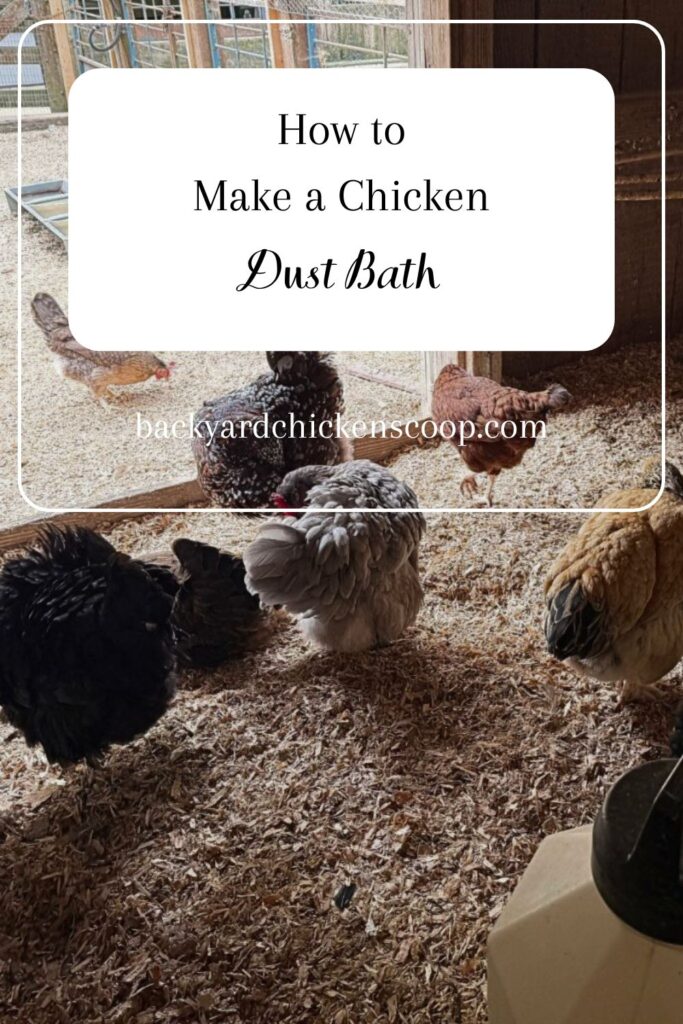
More than just a quirky habit, dust bathing is essential to your chickens’ health and comfort. Rolling in dry dirt helps them control parasites, maintain healthy skin, and keep their feathers in top condition. Given the opportunity, most hens will happily spend part of each day fluffing, scratching, and wriggling in a well-used patch of dust.
While chickens often dig their own bathing spots in the yard, there are plenty of times when they need a little help from us. Whether they’re raising chicks, confined to the run, or stuck inside during a stretch of bad weather, a homemade dust bath ensures they can still care for themselves naturally.
We always make sure our hens have access to a luxurious dust bath when free-ranging isn’t an option. Judging by the way they dive in, wriggle, and roll with pure joy, they clearly appreciate the effort!
Other Posts You Might Like
- 4 Best Chicken Poop Sifters
- 10 Ridiculously Cool Chicken Coop Design Ideas
- 10 Quirky Chicken Coop Signs Your Flock Will Love
- 16 Funny Chicken Shirts That Every Chicken Mama (or Papa) Will Love
Why do chickens dust bathe?
Dust bathing isn’t just a funny sight – this daily ritual is a vital part of chicken hygiene. Here are three reasons why chickens dust bathe:
Natural pest control
Dust bathing helps control mites, lice, and fleas by dislodging parasites and disrupting their life cycles. Chickens will fluff the dust deep into their feathers, reaching down to the skin where these troublesome pests tend to hide.
Feather and skin health
The abrasive action of dust and fine soil helps chickens slough off dead skin cells and excess oil. This helps maintain their feathers in good condition and supports their natural molting cycles.
Stress relief and social bonding
Just like humans, chickens enjoy the relaxing feeling of a nice bath. Except they don’t use water, but wallow in dirt instead! You’ll often see them sunbathing in their favorite bathing spot, and several hens may pile into the same bath for some fun social bonding.
Why make a chicken dust bath?
Left to their own devices, chickens are more than capable of creating their own dust baths. They’ll scratch, peck, and wallow in dry corners of the yard until they’ve carved out the perfect little crater for rolling around in. However, there are times when they’ll appreciate a man-made dust bath in their coop or run.
You should provide a homemade dust bath for your flock when:
- The ground is too wet, muddy, sunbaked, or frozen for natural dust bathing.
- Hens are confined due to brooding, illness, or injury.
- Your chickens are kept in a run or small backyard without access to dry, loose soil.
- There’s prolonged bad weather that restricts outdoor access.
- You want to control parasites with a specific mix of soil, ash, and other materials.

How to make a chicken dust bath
Setting up a dust bath for chickens doesn’t need to be complicated or expensive. You can use materials you likely already have on hand and tailor your creation to suit your climate, space, and flock size.
1. Choose the right location
If you’re building a permanent dust bath, look for a dry, sunny area that stays sheltered from the elements. Chickens love to dust bathe in the sun, but you may want to place the dust bath under cover to protect it from rain and snow. Alternatively, create a portable dust bath using a container that can be relocated according to the season and weather conditions.
2. Pick a container
You don’t have to use a container to make a dust bath for chickens, but it can help to keep things clean and tidy. If you don’t have a suitable container, simply create a shallow hole in a patch of dry ground instead.
Good dust bath containers for chickens include:
- Old rubber tires
- Kiddie pools or sandboxes
- Shallow wooden crates or plastic containers
Aim for something around ten inches deep and wide enough to fit at least two hens at once.
3. Fill the dust bath
Getting the right mix of materials in your chicken dust bath is the key to creating the perfect spa experience for your flock. The goal is to mimic the fine, dry soil chickens naturally seek out, but with added extras to make it even more special.
The ideal mix for a chicken dust bath consists of two parts dry dirt to one part sand. For the dirt, use soil from your land that hasn’t been treated with chemicals or manure. Any type of sand is suitable, but construction-grade sand is often recommended for its gritty texture. Mix the two together and add a two-inch layer to your dust bath.
Now for the added extras! This is where your chicken dust bath becomes the equivalent of a deep, hot bubble bath, perfect for wallowing in on a sunny day. But don’t worry if you don’t have these optional ingredients to hand, as your flock will still be thankful for a basic sand/soil mix.
- Diatomaceous earth (DE): Add a cup of DE to the sand/soil mix to boost parasite control. DE can irritate lungs if overused, so keep it minimal and mix well.
- Wood ash: A few handfuls of wood ash from untreated wood can act as a natural pest deterrent.
- Dried herbs:
Lavender , rosemary, thyme, mint, or chamomile repel insects and create a calming scent.
And that’s it – your chicken dust bath is complete! Curious hens will be straight over to investigate the new addition to their yard, and they’ll be happily wallowing in no time at all.
Chicken dust bath maintenance
Once your dust bath is set up, you’ll need to check in on it regularly. A neglected bath can get mucky, compacted, or depleted, creating a hygiene issue in the chicken run.
Keep it dry
Not only is a damp dust bath a breeding ground for germs, but your chickens will refuse to use it. If your dust bath isn’t undercover, consider a tarp or lid during rain. If the mix gets damp, replace it straight away.
Top it off
You’ll be amazed by how much dust chickens kick out during their spa sessions! Keep a small bucket of your base mix nearby so you can top off the dust bath as needed.
Clean and refresh
Every week, remove any droppings or wet clumps, stir the mix, and add fresh material. You may need to do a full clean-out monthly or after wet weather.
Grab Your Chicken Record Keeping Planner
Take the guesswork out of managing your flock with this all-in-one Planner! This 45-page printable bundle helps you track egg production, maintain bird health, organize coop chores, and stay on top of your poultry finances—all in one place.
Other Ideas You Might Like
- 14 Best Chicken Breeds That Consistently Lay Great Eggs
- How to Raise Meat Chickens
- How to Choose a Heritage Chicken Breed for the Homestead