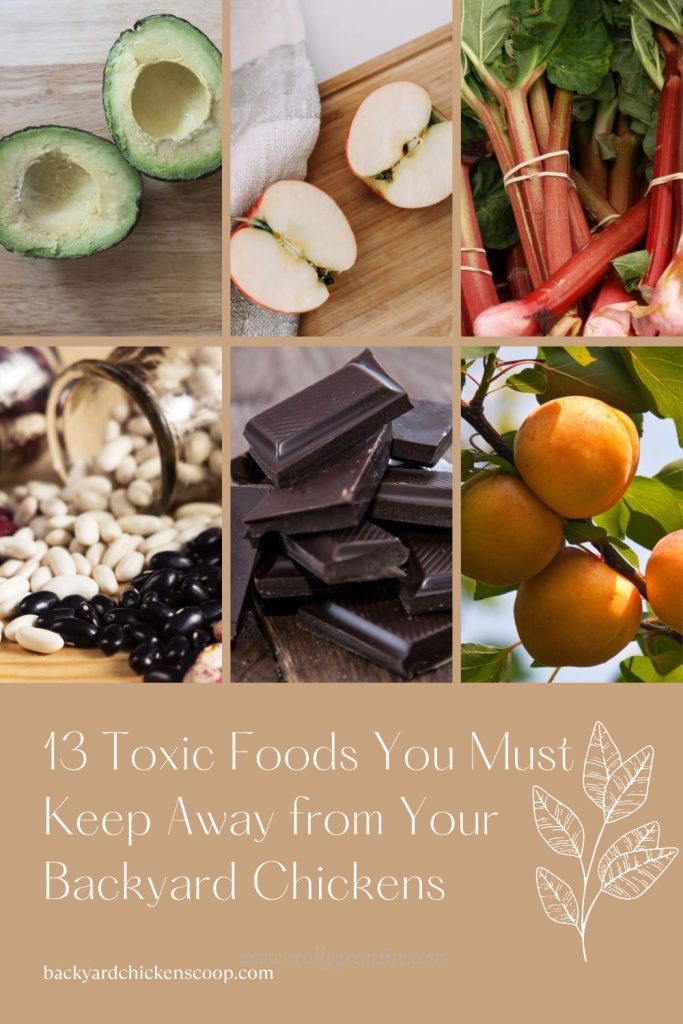
Raising backyard chickens isn’t only about collecting fresh eggs; it’s also about ensuring your flock stays healthy and content. One question many chicken owners often ask is, “Is this safe for my chickens to eat?” While chickens can enjoy a wide range of foods, there are certain items that should be avoided. Here’s a list of foods you should keep out of reach to protect your chickens’ well-being.
Avocados

Avocados, particularly the skin and pit, contain a toxin called persin, which is harmful to chickens. Even a small amount can cause serious health problems, including difficulty breathing. In severe cases, ingestion of avocado skins or pits can lead to death, so it’s important to keep them far away from your flock.
Apples

Apples make a great snack for chickens, but the seeds are a different story. Apple seeds contain cyanide, which is poisonous to chickens and can be lethal if consumed in large quantities. To keep your birds safe, be sure to remove the seeds before feeding apples.
Beans

Cooked beans can make for a very healthy protein source for chickens, but raw beans, especially kidney beans, contain harmful toxins like lectin that can be fatal. If you’re offering beans to your flock, make sure they’re thoroughly cooked to eliminate the toxins and make them safe for consumption.
Cat Food

While chickens might enjoy the occasional nibble of cat food, it’s not suitable for their regular diet. Cat food is high in protein and may contain ingredients that aren’t appropriate for chickens, such as certain additives or by-products. Stick to chicken-specific feed to keep your flock healthy.
Chocolate

Chocolate is poisonous to chickens due to compounds that they cannot process. Be sure to keep all chocolate treats out of reach of your chickens to avoid accidental ingestion. Ingesting chocolate can lead to vomiting and, in rare cases, death.
Apricot Pits and Leaves

Like avocados, apricot pits and leaves contain toxic compounds that can be dangerous to chickens. The pits have cyanide, which can cause poisoning if consumed. It’s best to avoid letting chickens peck at apricot trees or discarded pits and leaves.
Onions

Although onions are a common kitchen staple, they contain thiosulfate, which can cause anemia in chickens by damaging their red blood cells. Regular consumption of onions can lead to serious health issues, so it’s best to keep onions off the menu for your flock.
Garlic

Similar to onions,
Wild Mushrooms

Mushrooms that pop up randomly in your garden may be toxic to chickens. Since it’s difficult to distinguish safe mushrooms from harmful ones, it’s best to err on the side of caution and keep your chickens away from any wild fungi growing near their coop.
Caffeinated Drinks

Coffee, tea, and other caffeinated drinks are harmful to chickens. Caffeine can cause heart arrhythmias and even death in birds whose bodies aren’t equipped to handle the stimulant. Keep your morning cup of coffee far from your flock to avoid accidental sips.
Potatoes

Uncooked potatoes, especially when green, contain toxic compounds that can harm your chickens. These toxins can lead to digestive problems and illness. Always cook potatoes thoroughly before offering them to your birds, and avoid feeding them green or sprouted potatoes.
Rhubarb Leaves

Rhubarb leaves are extremely toxic for chickens. Eating rhuburb can lead to kidney failure or death. If you grow rhubarb in your garden, make sure to keep your chickens away from the leaves at all times.
Spoiled Food

Moldy or rotten food is bad news for chickens. Spoiled food can carry harmful bacteria, mold, and toxins, making your flock seriously ill. If the food smells off, looks moldy, or has a slimy texture, it’s best to throw it away instead of feeding it to your chickens.
19 Things You Should Know Before Getting Chickens

Before you jump into the world of chicken-keeping, there are a few essential things to know. Here’s our comprehensive guide of 19 essential tips to help you become a confident and successful chicken owner!
19 Things You Should Know Before Getting Chickens
How to Choose a Heritage Chicken Breed for Your Homestead

Many homesteaders raise heritage breed chickens on their land for eggs, meat, or both. Here are the best ways to choose a heritage breed over a hybrid or production breed.
How to Choose a Heritage Chicken Breed for the Home
How to Raise Your Own Chickens

Here’s a guide on how to raise your own chickens to lay eggs and eat meat.
How to Raise Your Own Chickens