
Chickens thrive on a steady supply of high-quality feed, but what happens if you run out and can’t buy more? Whether due to supply shortages, unexpected circumstances, or simply poor planning, knowing what alternative foods are safe for your flock can make all the difference.
The good news is that chickens are natural foragers with diverse diets. They can eat a wide range of foods, including protein sources like insects (both live and dried), grains such as wheat and sunflower seeds, and a variety of fruits and vegetables. Leafy greens like
If you find yourself without store-bought feed, there are plenty of nutritious substitutes to keep your flock healthy until you can restock. Let’s explore the best emergency feed options for your chickens.
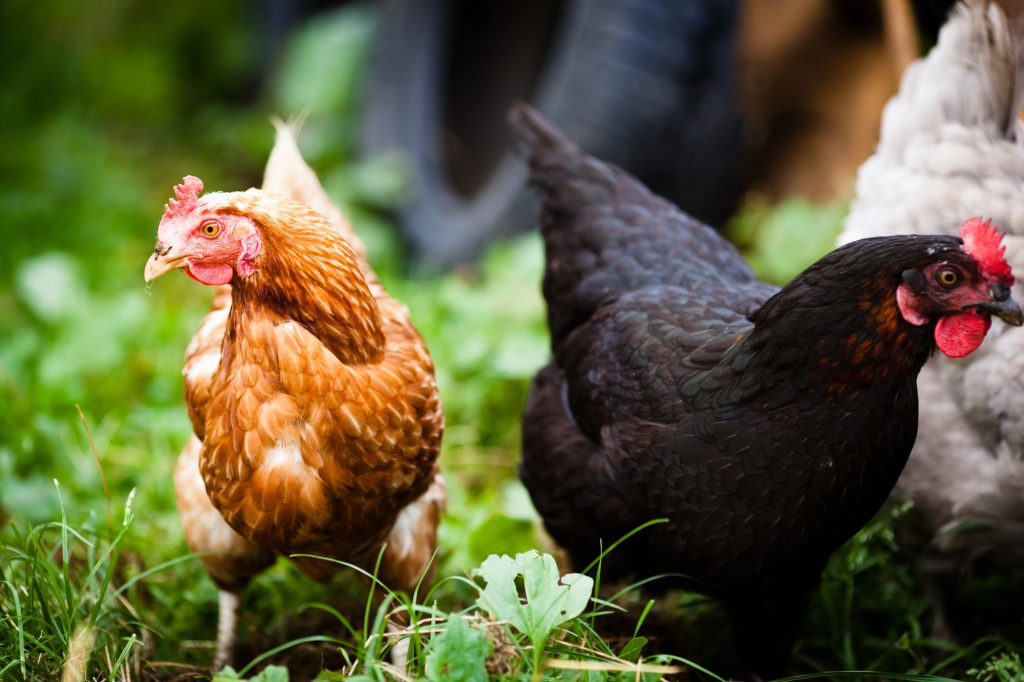
What Foods Can Chickens Eat?
Chickens are natural scavengers with a diverse diet, meaning your kitchen scraps can be a great supplement to their feed. If you’re low on chicken feed, many common household human foods can provide the necessary nutrients your flock needs—but it’s important to know what’s safe and what to avoid.
For young chicks, it’s best to wait until they are at least three to four months old before introducing kitchen scraps, as they require high-protein diets to support their growth. For adult chickens, a variety of safe human foods can be incorporated into their diet, including:
- Grains & Carbs: Wheat, rice, oatmeal, corn (raw, dried, or cooked), and bread (in moderation, avoiding moldy bread).
- Proteins: Cooked meats,
peas , and scrambled eggs (avoid raw meats due to the risk of bacteria). - Fruits: Apples, melons, berries, and grapes (cut into small pieces for easy eating).
- Vegetables: Cucumbers,
lettuce , cabbage, chard,spinach , squash, tomatoes, pumpkins, and potatoes (excluding green potato peels).
Foods to Avoid
While chickens can eat a wide variety of foods, some should be avoided due to toxicity or digestive issues:
- Salt & Processed Foods: A small amount of salt is generally safe, but too much can cause health problems. Processed foods, fast food, and greasy items should be avoided.
- Avocado Skins & Pits: These contain persin, a fungicidal toxin that can be fatal to chickens.
- Green Potato Peels: Potatoes belong to the Nightshade family, and green peels contain solanine, a harmful alkaloid. However, sweet potatoes are safe.
- Chocolate & Soft Drinks: These contain caffeine and theobromine, both of which are toxic to chickens.
- Spoiled or Moldy Foods: Mold can introduce harmful bacteria or toxins into your flock’s diet.
By offering a balanced mix of safe kitchen scraps and avoiding harmful foods, you can keep your chickens well-fed while reducing waste in your kitchen.
How long can chickens live without weed?
If you have newly hatched chicks, they can live for long hours without water and food. Newly hatched chicks can survive on their albumen’s nutrients and moisture for around seventy-two hours. However, young chicks will not have the reserve that adult chicks do.
During the growing phase, they will need frequent water to prevent dehydration. Some young chicks can die if you do not offer them water for six hours. Therefore, you will have to ensure that your young chicks have access to enough water.
Adult chickens can survive for forty-eight hours without water. They cannot survive more than eighty hours if the weather is hot.
Hence, you will have to consider the weather conditions. Weather can impact these birds adversely, just as humans do. Even if chickens can survive without food for a few to several hours, you should not create such a situation for a pet bird. Chickens need food and water to stay healthy.
They can be prone to infections if they do not get the required nutrients, protein, and water. Hence, you must ensure that your tiny bird has access to high-quality food and water.
Can chickens live on just grass?
Your chickens can eat grass. Yes, it is safe for these birds. Also, grass has many nutrients that can help the chicken to grow and stay healthy. But you must ensure that your bird cannot access treated grass. The treated grass will have chemicals that can harm your bird beyond your expectations.
Even if chickens can eat grass, they cannot survive on it. You cannot allow your chicken to live only on grass. Although grass is healthy for chickens, it does not offer all the required nutrients. It is worth mentioning that chickens are not single-toothed.
However, cattle and sheep are single-stomached and can survive on grass. But chickens will need a nutritionally balanced diet. Hence, you must add different types of food to their diet.
Other Topics You Might Like
- Chickens and Oranges: Can Chickens Eat Oranges?
- 19 Irresistible Treats Your Backyard Chickens Will Flock To
- What Can Chickens Eat? An Alphabetical Guide
- Can Chickens Eat Meat?
- 13 Superfoods To Feed Your Chickens for More Protein
- 13 Toxic Foods You Must Keep Away from Your Backyard Chickens
