
If you’ve ever wondered how chickens reproduce, you’re not alone. Unlike mammals, chickens don’t experience pregnancy in the traditional true sense—there are no baby chicks developing inside a hen’s body. Instead, hens lay eggs, and only those that have been fertilized by a rooster have the potential to hatch into chicks.
This can be confusing for those new to raising chickens, especially since hens lay eggs regularly, regardless of whether a rooster is present. So, how does fertilization work? What role does the rooster play? And how do eggs develop into baby chicks?
We are going to break down the reproductive process of chickens, explain how fertilized eggs differ from unfertilized ones, and clear up common misconceptions about how hens produce eggs. While we might not solve the age-old question of which came first—the chicken or the egg—we will definitely give you a clear answer on how chickens reproduce.

Do Chickens, In Fact, Get Pregnant?
The answer to this question is a definitive ‘no’. At least not in the traditional sense of pregnancy, where a sperm and an egg are brought together to make a baby animal. The fact is, a hen will produce eggs with or without a rooster around and keep producing them nearly every day all year long.
Yes, certain factors like the specific breed of the chicken, the amount of light or darkness they are exposed to, their nutritional intake, and the temperature where they live all play a role, but for the most part, a chicken will keep laying eggs their entire life.
But they don’t get pregnant, even if there’s a rooster around.
How Do Chickens Lay Eggs?
Like a human female, chickens have thousands of potential eggs already inside their body, which are called ovum. They can start laying eggs at about 5 to 6 months of age, give or take a few days depending on the breed of chicken. At this time, several of the ova (plural for ovum) start to mature into what we humans call an egg yolk, and each yolk is protected by a follicle.
The yolks, one at a time, are then released by their follicle and go down the oviduct or reproductive tract of the chicken. It is here where, if a rooster is present, the yolk will be fertilized. In point of fact, the blastodisc is fertilized by the rooster’s sperm and, when that happens, embryo and cell development begins and turns the blastodisc into a blastoderm.
By the way, the tiny white spot that can be seen on all egg yolks that you cook and eat at home is the blastodisc. It is not the rooster’s sperm, a misconception many have, and is 100% safe to eat.
Now, here’s the thing; whether a rooster is present or not this entire process still happens and leads to the next step, the yolk traveling down further through the oviduct., where the albumen or egg white begins to form. A thin outer layer begins to form also and, if you were to see the entirety of what is now there inside the chicken, it would have the appearance of an egg even though the actual shell hasn’t completely formed yet.
Shell formation happens in the uterus of the chicken, including the pigmentation of the shell that turns it either white or brown and sometimes blue and green too, depending again on the breed. Last but not least a protective layer on the outside of the shell forms called the bloom (or cuticle), which is anti-microbial to protect the chick inside (even if no chick is present).
Finally, the fully formed egg is ready to be laid, which happens through the chicken’s cloaca. This is the same part of the chicken where it also excretes waste. But fear not, the uterus actually extends outward with the egg, inside-out, which keeps the egg quite safe and, along with the bloom, leaves a very clean egg in the nest when the chicken is finished laying it.

Do Roosters Get Chickens Pregnant?
No, they don’t—at least not in the way mammals experience pregnancy. While roosters do play a role in fertilizing eggs, there is no actual pregnancy involved. Unlike mammals, chickens don’t have traditional reproductive organs such as a penis or a vagina, and there is no internal gestation. Instead, hens lay eggs regardless of whether a rooster is present, but only fertilized eggs have the potential to hatch into chicks.
This unique reproductive process sets chickens apart from many other animals and is one of the most fascinating aspects of poultry biology. Understanding how fertilization works can help chicken keepers ensure a thriving flock, whether they’re raising hens for eggs or hoping to hatch chicks.
How Do Roosters Fertilize Eggs? Understanding the Reproductive Process in Chickens
Unlike mammals, chickens don’t have traditional reproductive organs. Instead, both hens and roosters have a single multi-purpose opening called a cloaca, which is used for excreting waste, mating, and in hens, laying eggs. The process of fertilization in chickens is quite different from what you’d expect in other animals.
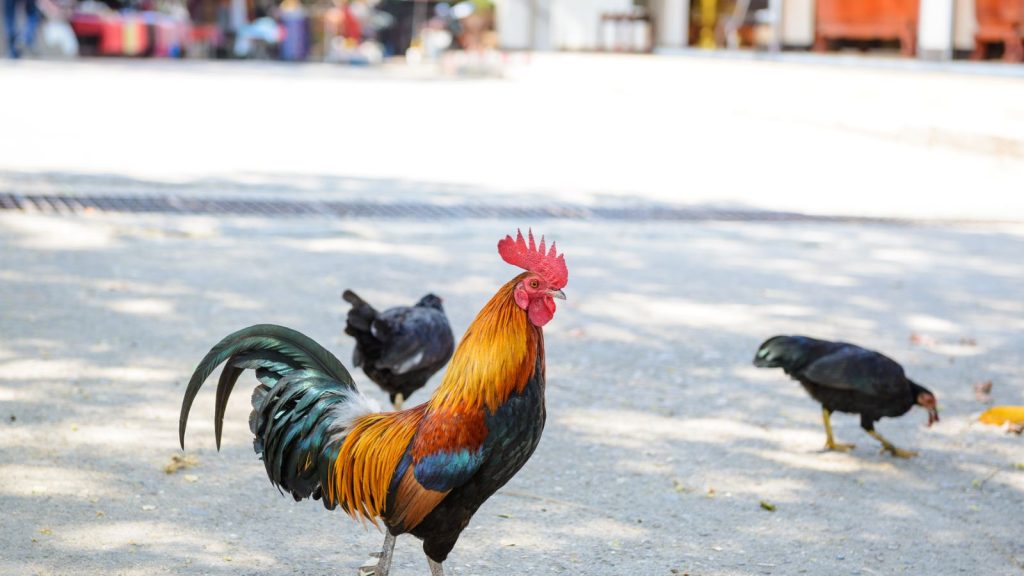
When a rooster is ready to mate, he will approach a hen, often circling her with one wing lowered as part of his courtship display. If the hen is receptive, she will crouch low to the ground, flatten her back, and remain still to signal her willingness to mate.
The rooster then mounts the hen, using his beak to grip the feathers on her head for balance. In a quick maneuver known as the “cloacal kiss,” both birds press their cloacas together, allowing the rooster to transfer sperm to the hen. The entire process takes only a few seconds, but a single successful mating can result in fertilized eggs for up to two weeks.
Once inside the hen’s reproductive tract, the sperm travels to the oviduct, where it is stored until a yolk is released. If fertilization occurs, the egg will continue its journey through the hen’s body, eventually developing a shell before being laid.
Interestingly, even without a rooster, hens will continue laying eggs—just without the possibility of chicks hatching. This unique reproductive system allows for efficient egg production while still giving hens the option to produce fertilized eggs when a rooster is present.
How to Tell If Your Hen Is About to Lay Eggs
If you’re wondering whether your hen is “pregnant”—or more accurately, getting ready to lay eggs—there are several clear signs to watch for. As hens reach maturity, their bodies go through noticeable changes, signaling that egg production is on the way. Here are some key indicators that your chicken is preparing to lay.
1. Brightening Wattles and Combs
As a hen nears egg-laying age, her comb and wattles—those fleshy growths on her head and under her beak—will become larger and change color. Instead of a pale pink, they will turn a deeper red, signaling that she is reaching sexual maturity. Be mindful that if this happens too early, around 8 weeks of age, you may actually have a young rooster rather than a laying hen.
2. More Frequent and Vocal Clucking
While roosters are notorious for their crowing, hens also become more vocal as they approach laying age. You might notice your hen clucking more frequently or even engaging in a sort of “egg song” before and after she lays. If your flock has suddenly become noisier, you may soon find fresh eggs in the coop.
3. Increased Appetite
Producing eggs requires a lot of energy, so hens about to start laying will often eat more than usual. Their nutritional needs shift as well, requiring extra calcium for strong eggshells. Make sure your hens have access to a well-balanced layer feed that contains the right nutrients to support healthy egg production.
4. The Squatting Stance
One of the clearest signs that a hen is reaching maturity is a behavior called “submissive squatting.” If you approach her and she crouches down, spreading her wings slightly, this indicates that she is instinctively preparing for mating. This behavior is closely linked to egg production and is a strong indicator that she’ll start laying soon.
5. Nesting Box Exploration
When a hen begins spending more time in the nesting area, she may be preparing to lay her first egg. You might notice her inspecting different nesting boxes, rearranging bedding, or even sitting inside for long periods without laying anything yet.
To encourage proper egg-laying habits, consider placing dummy eggs (or even golf balls) in the nesting boxes to signal where she should lay.
Frequently Asked Questions About Chickens and Eggs
How Long Does It Take for an Egg to Hatch?
Once a fertilized egg is incubated, whether under a broody hen or in an incubator, it typically takes 21 days for a chick to hatch. However, slight variations can occur, with some hatching as early as day 20 or as late as day 23. While most hens are excellent mothers, occasionally, a hen may abandon her nest or even harm newly hatched chicks. This behavior, though rare, can be unpredictable. If incubation goes smoothly, in just three weeks, you’ll have fluffy baby chicks chirping in your brooder or yard.
How Long Can a Hen Lay Fertilized Eggs After Mating?
Once a hen has successfully mated with a rooster, she can store sperm in her reproductive tract for up to two weeks. This means she can continue laying fertilized eggs during that time without needing to mate again. However, factors such as the hen’s age, fertility levels, and overall health can affect this timeframe. After about five to six months of age, a hen is ready to breed and will continue mating frequently if a rooster is present. Once she becomes broody—meaning she sits on her eggs to incubate them—she will stop mating until her chicks hatch and become independent.
How Often Do Chickens Lay Eggs?
Under ideal conditions, a healthy hen can lay an egg approximately every 24 to 26 hours. However, factors like breed, diet, and seasonality play a role in egg production. Mature hens over a year old tend to be the most consistent layers, while younger chickens, known as pullets, may start by laying smaller eggs and producing them less frequently. Some people believe chickens can lay multiple eggs per day, but biologically, this is impossible due to the time it takes for an egg to fully develop. What is possible, however, is a hen laying an egg with two yolks, and on very rare occasions, even three.
Can Roosters Lay Eggs?
No, male chickens cannot lay eggs. Only hens have ovaries, which are essential for egg production. Interestingly, female chickens only develop one functional ovary, even though they are born with two. The second ovary remains undeveloped, which helps conserve energy for egg production. So while roosters may play a vital role in fertilizing eggs, the actual egg-laying process is exclusive to hens.
Can Store-Bought Eggs Hatch Into Chicks?
Most eggs from grocery stores cannot hatch, as they come from farms where hens are kept without roosters, meaning the eggs are unfertilized. Even if an egg was fertilized, refrigeration and transportation conditions usually make it impossible for an embryo to develop. However, in rare cases, people have successfully incubated fertilized eggs purchased from small, local farms. To check if an egg is fertilized, incubate it and candle it (hold it up to a bright light) after a few days to look for vein development.
Are Freshly Laid Eggs Safe to Eat?
Yes! Fresh eggs straight from the coop are perfectly safe to eat. Even though they pass through the same opening that a chicken uses for waste (the cloaca), they are naturally protected by the bloom—a thin, antibacterial coating that shields the egg from contamination. Fresh eggs can be stored at room temperature for up to a month without refrigeration, but once washed, they should be refrigerated to prevent bacteria from entering through the porous shell. If you’re not planning to eat an egg immediately, it’s best to avoid washing it until just before use.
How Can You Tell if an Egg Has Salmonella?
Unfortunately, there’s no way to visually detect salmonella in an egg. Commercial eggs from grocery stores may carry a higher risk because they are washed, removing the protective bloom and making them more susceptible to contamination. Cooking eggs thoroughly eliminates any potential salmonella risk, so avoid consuming raw or undercooked eggs if you’re concerned. However, if you raise your own backyard chickens in a clean, healthy environment, the likelihood of salmonella is significantly lower.
When Do Chickens Typically Lay Their Eggs?
Hens can lay eggs at any time of the day, but most do so within the first 5 to 6 hours after sunrise. This timing leads some people to mistakenly believe their chickens lay more than one egg per day—especially if they check the coop at different times and find an extra egg from the previous day. While the exact timing varies, checking the nesting boxes in the morning is the best way to gather eggs fresh and avoid cracked or dirty ones.
With a little knowledge and observation, you can better understand your flock’s egg-laying habits and provide them with the care they need for a happy and productive life.
