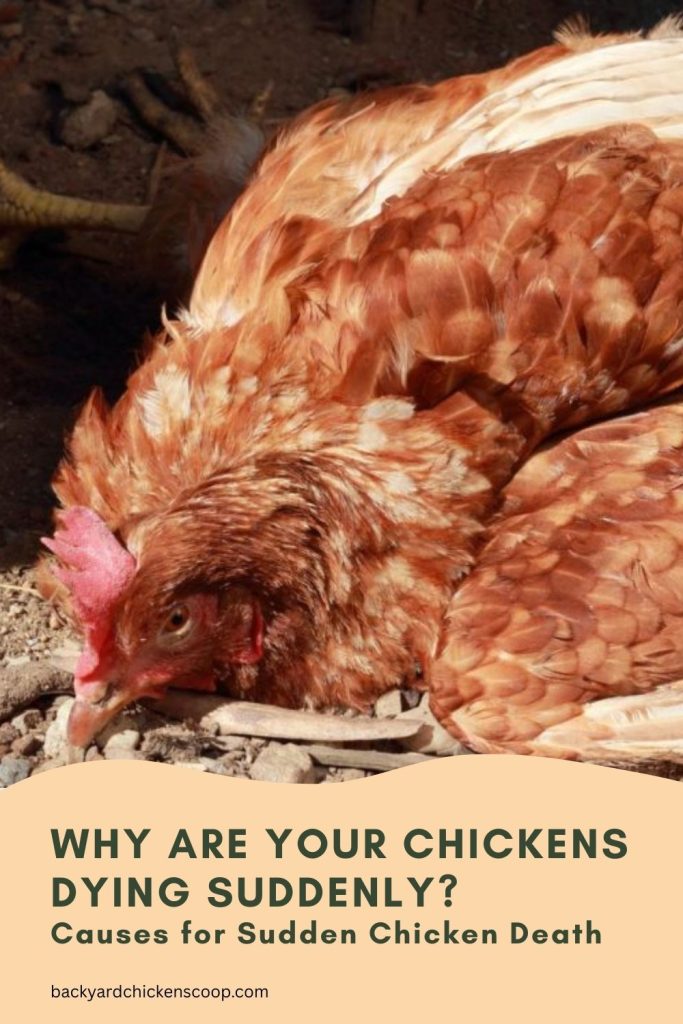
Finding a seemingly healthy chicken that has passed away without warning can be both puzzling and distressing for any backyard chicken keeper. One day, they’re active and thriving, and the next, they’re gone—often with no visible signs of illness. But is sudden chicken death common? And more importantly, what can you do to prevent it?
Understanding the possible causes behind these unexpected losses is crucial for protecting the rest of your flock. Whether it’s disease, stress, predators, or nutritional deficiencies, identifying the warning signs and investigating potential threats can help prevent further losses.
In this article, we’ll explore the most common reasons why chickens die suddenly, what clues to look for, and the best preventive measures to keep your flock safe and healthy.
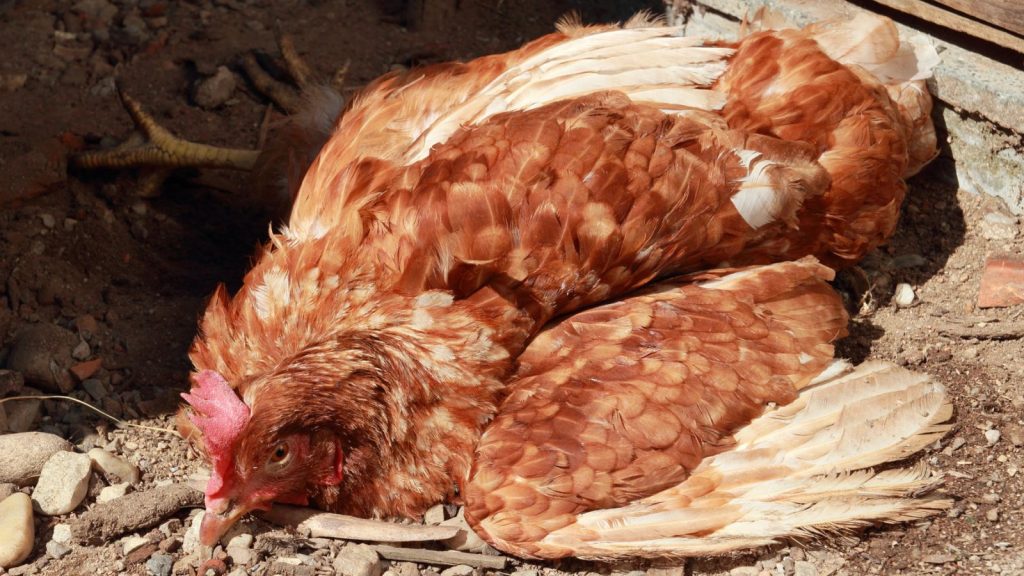
How Do You Know When Chickens Are Dying?
When chickens start to die, there are usually some telltale signs to let you know. One of the most common indicators is a decrease in egg production. If the hens used to lay two or three eggs per day and then suddenly stop laying altogether, that’s usually a sign to worry.
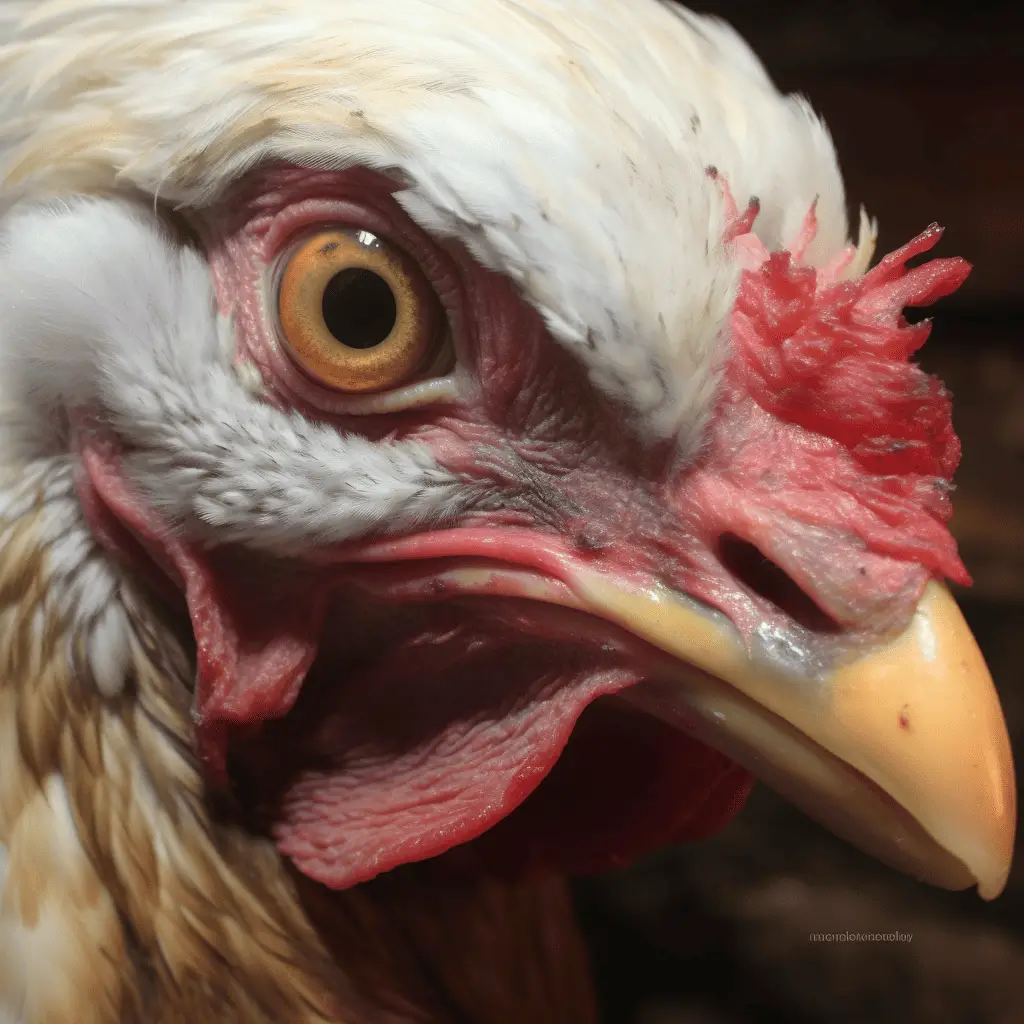
Another sign that backyard chickens may be dying is if they start to come down with an illness or disease like Marek’s Disease or Avian Influenza. This can be fatal for birds, so it’s important to keep a close eye on them and take immediate action if this occurs.
Lastly, physical symptoms like labored breathing, weight loss, or changes in their appearance can also alert me to the fact that chickens are dying.
And then “sudden death” is not so sudden after all.
Understanding Sudden Chicken Deaths: Causes and Prevention
Losing chickens unexpectedly can be both frustrating and heartbreaking, especially when there are no clear signs of illness beforehand. Whether young or old, chickens can die suddenly due to a variety of factors. Identifying the underlying cause is essential in preventing further losses and maintaining a healthy flock.
Why Do Chickens Die Suddenly?
One of the most common culprits behind sudden chicken deaths is disease. Poultry are susceptible to a range of illnesses, including respiratory infections, parasites, and viral outbreaks. Even without obvious symptoms, a sick chicken may succumb quickly to an underlying condition.
Look out for warning signs such as coughing, sneezing, diarrhea, lethargy, or a sudden drop in egg production. If you notice any of these, consult a poultry-savvy veterinarian for a proper diagnosis and treatment.
Why Are My Chickens Dying One at a Time?
If you’re losing chickens one by one rather than all at once, it’s important to investigate potential causes, including:
- Contagious Diseases: Some illnesses spread gradually through a flock rather than all at once.
- Parasites: Mites, lice, and worms can weaken birds over time, making them vulnerable to infections.
- Predators: Injuries from attacks may not always be fatal immediately but can lead to stress and eventual death.
- Bullying: Some flock members may be pecked or stressed to death by dominant birds.
- Nutritional Deficiencies: Poor diet or lack of essential minerals can lead to weakness and disease.
Taking proactive measures, such as securing the coop, ensuring proper nutrition, and checking for pests, can help reduce individual losses.
Multiple Chickens Dying Suddenly?

Losing several chickens at once is a major red flag that requires immediate attention. Some potential causes include:
- Disease Outbreaks: Highly contagious infections can spread rapidly, wiping out multiple birds.
- Toxins or Poisoning: Moldy feed, contaminated water, or exposure to chemicals can be fatal.
- Extreme Weather Conditions: Heat stress, cold exposure, or poor ventilation can lead to mass deaths.
- Predators or Environmental Threats: Sudden attacks from predators or exposure to harmful plants can cause multiple deaths in a short time.
If multiple chickens die within a short period, assess their environment, food, and water quality immediately and consult an expert if necessary.
Do Chickens Die of Old Age?
Contrary to common belief, chickens rarely die simply from old age. As they grow older, their immune systems weaken, making them more susceptible to disease.
Many older birds die from underlying health issues rather than the aging process itself. Providing proper care, a stress-free environment, and high-quality nutrition can help extend their lifespan.
Environmental and Dietary Considerations
Even in the best conditions, chickens can suffer from dehydration, heat exhaustion, or exposure to harmful substances. Ensuring access to clean drinking water, adequate shade, and proper ventilation can prevent many environmental-related deaths. Additionally, always check feed for mold or spoilage, as contaminated food is a silent but deadly threat to poultry health.
Preventing Sudden Chicken Deaths: Common Causes and Solutions
Raising chickens comes with its fair share of challenges, and one of the most distressing experiences is finding a seemingly healthy bird dead without warning. Several factors contribute to sudden chicken deaths, and understanding these risks is key to preventing losses in your flock.
Feeding and Management Mistakes
Improper nutrition, lack of access to fresh water, and poor living conditions can take a toll on your flock’s health. Overcrowding, inadequate ventilation, and using the wrong type of feed can lead to stress, malnutrition, and increased susceptibility to disease.
Can Chickens Die From Stress?
Absolutely. Chickens are sensitive creatures, and too much stress can weaken their immune system, making them more vulnerable to infections and illness. Stressors such as sudden environmental changes, loud noises, predation, overcrowding, and even flock bullying can severely impact their well-being.
Signs of stress-related health issues include:
- Reduced appetite or water intake
- Feather pecking or cannibalism
- Decreased egg production
- Lethargy or unusual behaviors
To reduce stress, provide a spacious, secure environment, maintain a consistent daily routine, and limit unnecessary disruptions.
The Importance of Pen and Litter Management
One of the most overlooked aspects of chicken health is maintaining a clean and well-ventilated coop. Poor litter management leads to a buildup of moisture and waste, creating the perfect breeding ground for harmful bacteria, parasites, and respiratory issues.
Key Practices for a Healthy Coop:
- Use dry, absorbent bedding such as pine shavings or straw.
- Regularly clean out old bedding and replace it with fresh material.
- Ensure proper ventilation to prevent ammonia buildup.
- Avoid overcrowding to reduce stress and disease transmission.
Common Diseases That Cause Sudden Death in Chickens
Viruses and Deadly Infections
Some of the most serious causes of sudden chicken deaths are highly contagious viral infections. These diseases can spread quickly through flocks via direct contact, contaminated water or feed, and even through exposure to wild birds.
Common Poultry Diseases Include:
- Newcastle Disease – Highly contagious, affecting the respiratory and nervous systems. Symptoms include coughing, diarrhea, and sudden death.
- Infectious Bronchitis – A fast-spreading respiratory disease that weakens the immune system, causing sneezing, nasal discharge, and egg production drops.
- Marek’s Disease – A viral illness that causes tumors, paralysis, and immune suppression.
Prevention Strategies:
- Regularly disinfect the coop and equipment.
- Quarantine new birds before introducing them to the flock.
- Keep wild birds and rodents away from feed and water sources.
- Consult a veterinarian about vaccination programs for high-risk diseases.
Egg-Bound Hens: A Silent Killer
An egg-bound hen is unable to pass an egg, which can quickly become a life-threatening emergency. This condition is often caused by genetics, poor diet, or stress.
Signs of an Egg-Bound Hen:
- Frequent squatting or straining
- Swollen abdomen
- Reduced movement and fluffed-up feathers
How to Help:
- Provide a quiet, stress-free environment.
- A warm bath or gentle abdominal massage may help the egg pass.
- If symptoms persist, veterinary intervention may be necessary.
External and Internal Injuries
Chickens can suffer from injuries due to predator attacks, pecking order disputes, or accidental trauma. External wounds, if left untreated, can become infected, while internal injuries may result from rough handling or aggressive flockmates.
Regularly inspecting your birds for signs of wounds, limping, or behavioral changes can help catch injuries before they become fatal.
Crop Impaction and Digestive Blockages
The crop is an essential part of a chicken’s digestive system, responsible for storing and moistening food before digestion. When impacted, food cannot pass through properly, leading to malnutrition and potential death.
Causes of Crop Impaction:
- Eating too much fibrous material (grass, straw, or stringy vegetables)
- Lack of grit for digestion
- Dehydration leading to dry food buildup
Signs of Crop Issues:
- Swollen or firm crop
- Regurgitation or foul-smelling breath
- Loss of appetite
Providing grit and ensuring chickens have access to clean water can help prevent impactions.
Heart Attacks in Chickens
Sudden death in chickens can sometimes be attributed to heart attacks, particularly in fast-growing breeds like Cornish Cross meat birds. Factors that contribute to cardiac issues include:
- Obesity from excessive feeding
- Heat stress
- Genetic predisposition
Maintaining a balanced diet and providing shade and cool water during hot weather can help reduce heart-related fatalities.
Protecting Your Flock: Prevention is Key
While sudden chicken deaths can be alarming, many causes are preventable with proper care. Regular health checks, good nutrition, clean living conditions, and vigilant monitoring for signs of disease or distress are essential for keeping your flock healthy.