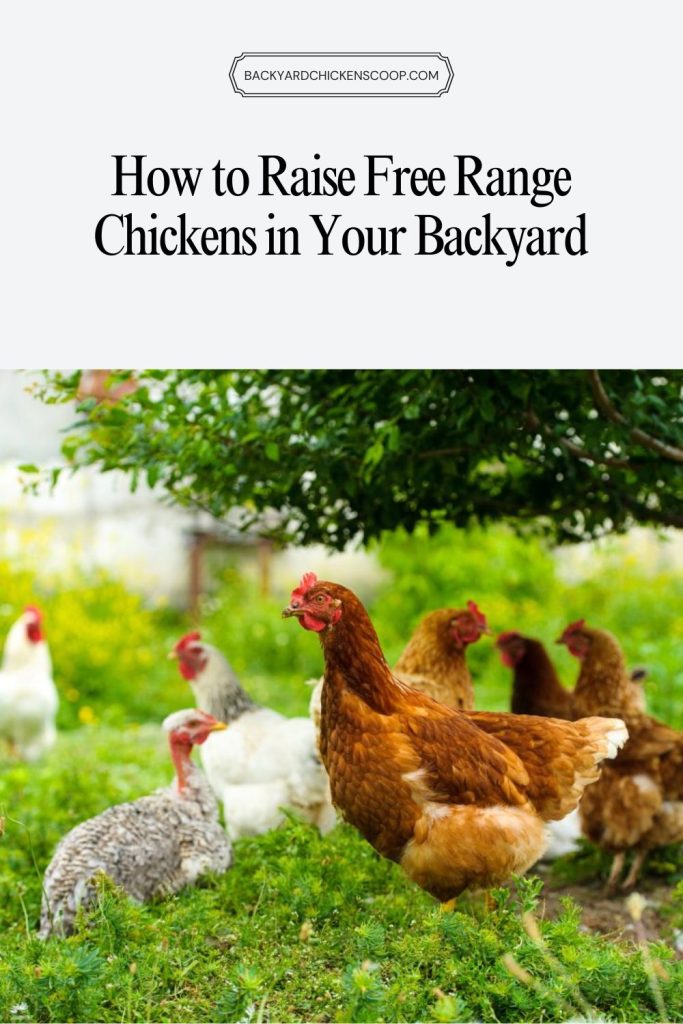
Raising free-range chickens offers many rewards, from fresh eggs to natural pest control and garden fertilization. Unlike conventional poultry farming, free-range chickens have the freedom to roam, forage, and enjoy a diverse diet. If you’re considering raising chickens this way, here’s how to do it right.
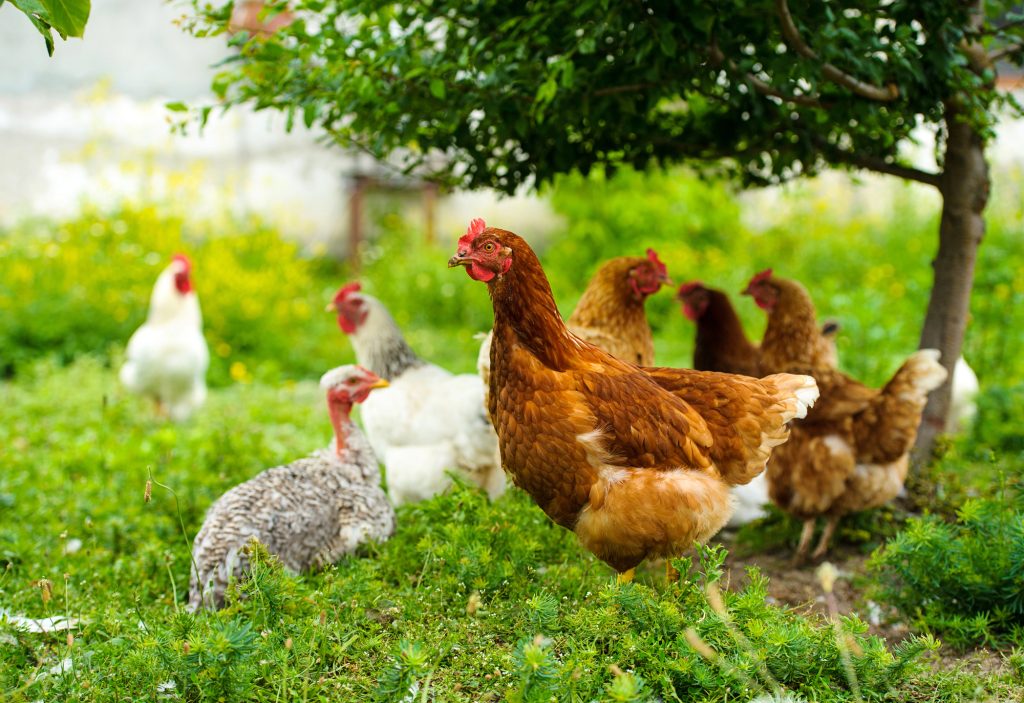
What Does Free-Range Really Mean?
Free-range chickens are not confined to small enclosures and fed only processed food. Instead, they have access to open spaces where they can scratch, peck, and eat a variety of foods, including kitchen scraps, bugs, and plants. This natural diet contributes to healthier chickens and tastier eggs.
The Benefits of Free-Range Chickens
- Fresh, Flavorful Eggs – Nothing compares to the rich taste of homegrown eggs, especially when you know exactly what your chickens are eating.
- Natural Pest Control – Chickens love to eat scorpions, cockroaches, centipedes, and other insects, helping to keep your yard bug-free.
- Organic Fertilizer – Their manure is an excellent soil amendment, providing essential nutrients for your garden.
- Low-Maintenance Lawn Care – If you have grass, your chickens will help keep it trimmed while fertilizing it at the same time.
- A More Ethical Choice – By raising your own chickens, you reduce dependence on commercial egg farms, many of which practice inhumane treatment of hens.
- A Natural Alarm Clock – If you struggle to wake up early, a rooster’s crow is sure to do the job!

Providing Shelter
While chickens love to roam, they need a secure place to sleep and lay eggs. A well-ventilated coop will protect them from predators like owls, foxes, and raccoons. If you have a dog, allow it to get used to the flock so it can serve as an additional layer of protection.
Water and Feeding Requirements
- Always provide fresh water, especially during the summer when chickens drink more.
- Feed them twice daily—once in the morning and again in the afternoon.
- They thrive on food scraps like bread,
carrots , and fruit, but if scraps are unavailable, supplement with chicken feed from a farm store. - Chickens foraging in the garden will naturally obtain vitamins and minerals from the soil, but if they’re kept in an area without access to dirt, consider supplementing their diet with oyster shells and grit for digestion.
Raising Chicks: Where to Start
For beginners, purchasing 4- to 8-week-old chickens is the easiest way to start. They are hardy enough to adjust to a new environment without the challenges of raising chicks from fertilized eggs. If you do want to hatch your own:
- Buy fertilized eggs online and incubate them, though this requires patience and equipment.
- Allow a broody hen to naturally hatch eggs—she will sit on them for 21 days and care for the chicks, producing healthier, faster-growing birds.
Choosing the Right Breed
Not all chicken breeds are suitable for free-ranging. Some are more aggressive than others, and selecting the wrong breed could lead to problems in your flock. Here are a few beginner-friendly breeds:
- Orpington – Gentle and easy to manage, making them great for families.
- Sussex – A calm, friendly breed that lays eggs consistently.
- Leghorn – Excellent egg layers known for their hardy nature.
The Best Chickens for Beginners (That Lay Lots of Eggs)