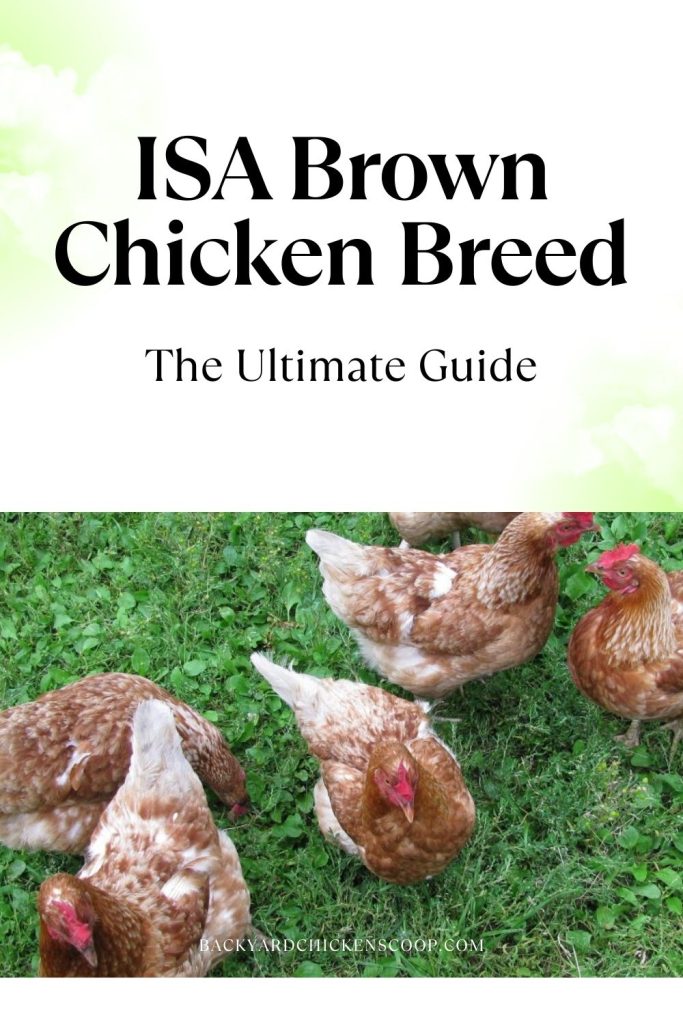
When we started keeping chickens, our first flock of hens were cheerful little ISA Browns. In fact, many of my homesteading friends were the same! In our area, ISA Browns are commonly sold as ‘point of lay’ pullets in farm shops and at markets, and they’re the go-to breed for many chicken keepers.
And there is good reason for their popularity – if you’re dreaming of a backyard full of friendly feathered faces who lay an abundance of fresh brown eggs, the ISA Brown might just be your perfect match.
These cheerful hens are known for their incredible egg-laying abilities, laid-back personalities, and low-maintenance care needs. However, there are some downsides to keeping ISA Browns, as we’ll reveal during our ultimate guide to America’s most popular chicken.

What do ISA Brown chickens look like?
ISA Brown chickens aren’t particularly remarkable in appearance – in fact, they’re the stereotypical brown farmyard hen! They’re not showy or distinctive, but are often described as looking like Rhode Island Reds’ more polished cousins.
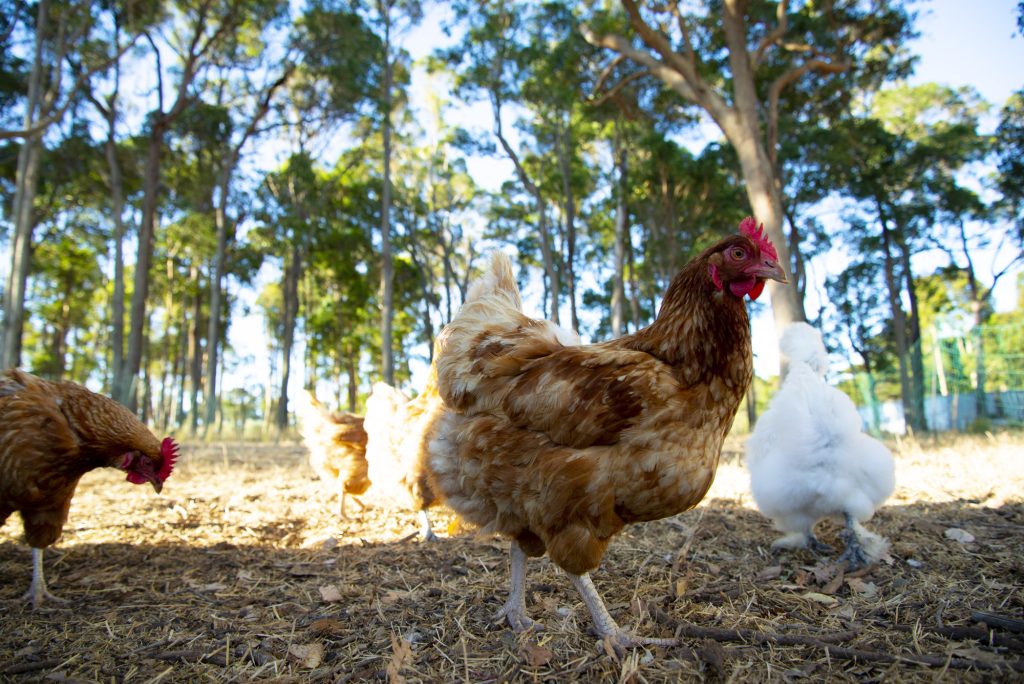
ISA Brown hens have sleek, reddish-brown feathers and lighter, buff-colored underbellies. The depth of color varies from
Where do ISA Brown chickens come from?
Strictly speaking, ISA Browns aren’t a breed of chicken – they are a hybrid, bred by crossing two breeds together to create a chicken with specific desirable characteristics. They were developed in France in the 1970s by an organization called the Institut de Sélection Animale (ISA), hence the name.
Because ISA Browns are a commercial crossbreed, their exact lineage is a closely guarded secret! However, we do know that their breeding includes Rhode Island Reds and White Leghorns.
And whatever this crossbreeding secret is, it certainly does the trick, as ISA Browns are now the number one bird in commercial egg laying operations around the world.
Are ISA Brown chickens good egg layers?
It wouldn’t be exaggerating to say that ISA Browns are egg-laying machines! In her first couple of laying years, a healthy ISA Brown hen can lay around 300 to 350 large brown eggs per year – that’s nearly one per day.
They tend to start laying early, sometimes as soon as 16 weeks old, and will keep on producing eggs even through periods of stress or bad weather.
So, if ISA Browns are so fantastic at producing an abundance of eggs, why don’t we keep them anymore? Well, it might sound odd, but it is this very fact that made us reconsider and switch to heritage breeds instead!
ISA Browns are bred for such intensive egg production that they get ‘worn out’ very quickly – many of our hens stopped laying after just a couple of years. In contrast, our Brahma hens lay fewer eggs each week, but will carry on laying until they are five years old or more.

Are ISA Brown chickens good for meat?
While ISA Browns are technically dual-purpose birds, they’re not known for meat production. Their bodies are lighter and leaner, better suited for egg laying than for the dinner table. Although in theory you could cook your retired ISA Brown laying hens, they won’t be particularly tender or tasty after their prolific egg-laying career.
If you’re looking to raise birds for meat and eggs, you’d be better off choosing a traditional dual-purpose breed like the Buff Orpington instead.
Are ISA Brown chickens friendly?
ISA Browns are affectionate, curious, and are famous for their sweet and calm personalities. Ours follow us around the homestead, hoping for cuddles and treats, never causing any drama. They also integrate well with other chicken breeds, perfect for when you want to add variety to your coop.
Do ISA Brown chickens do well in cold or hot climates?
ISA Browns are quite adaptable and can handle both cold and warm climates well if cared for properly. Their single combs make them more prone to frostbite, so they’ll need a warm coop in freezing temperatures and shelter from rain and snow.
In hot weather, they’ll need access to shade and plenty of fresh water, but they generally continue laying well through summer heat.
Do ISA Brown chickens go broody?
Here’s another reason we stopped buying ISA Brown hens – the chick-rearing instinct has been pretty much bred out of them! And as they are a hybrid, it isn’t advisable to use their eggs for hatching, as the quality of the chicks can’t be guaranteed.
Of course, it is always possible that you could get a broody ISA Brown, but it is sensible to think twice before breeding from these lovely little hens.
How much space do ISA Brown chickens need?
ISA Browns need about 3–4 square feet per bird inside the coop and at least 8–10 square feet per bird in the run if they don’t get the opportunity to free-range.
These birds are fairly active but not aggressive, so just make sure they have enough room to roam, scratch, and dust bathe. Remember the homesteader’s motto – happy hens lay better!
How long do ISA Brown chickens live?
ISA Browns typically live 3 to 5 years, though some may live longer if they are pampered and avoid health problems. Because they’re bred for high egg production, their bodies tend to wear out a bit faster than heritage breeds, and you’ll notice a decline in egg production after their second or third year.
Giving your hens a healthy diet, plenty of space, and stress-free living can help them enjoy a longer, comfortable retirement.
Are ISA Brown chickens a good choice for beginners?
If you want a few hens just for egg production, then ISA Browns are a good choice for first-time chicken keepers. They’re calm, friendly, easy to keep, and provide a generous number of eggs.
However, it is important to remember that these birds will only lay well for 2-3 years, have a shorter lifespan than heritage breeds, and are not a good option if you want to start rearing chicks.