
With their distinctive black-and-white feathers and easygoing nature, Plymouth Barred Rocks have earned a well-deserved spot in homesteads and backyard coops around the world. As a chicken breed, these easy-going hens tick all the right boxes – friendly, productive, low-maintenance, and downright beautiful!
From their looks and personality to their care needs and productivity, we’ve got everything you need to know about the iconic Plymouth Barred Rock.

What do Plymouth Barred Rock chickens look like?
Plymouth Barred Rocks are easy to spot thanks to their striking black-and-white striped, or ‘barred,’ feathers. They have bright red combs and wattles, yellow legs, and a plump, sturdy body that gives them a classic farmyard look.
The term ‘barred’ actually refers to the color of the feathers, and you can get Plymouth Rocks in other color variations such as white, buff, partridge, and blue. But for today, we’ll be focusing on the classic barred version, the original and best!
This feathering isn’t just pretty – it serves a practical purpose too. Plymouth Rocks are blessed with natural camouflage, as their coloring helps them blend into the background and hide them from predators.
Other Posts You Might Like
- 4 Best Chicken Poop Sifters
- 10 Ridiculously Cool Chicken Coop Design Ideas
- 10 Quirky Chicken Coop Signs Your Flock Will Love
- 16 Funny Chicken Shirts That Every Chicken Mama (or Papa) Will Love
Where do Plymouth Barred Rock chickens come from?
Plymouth Rocks were developed in New England in the 1800s by breeders aiming to create a bird that was both a good layer and a solid meat producer. These included crosses of Brahma, Cochin, Dominique, and Java chickens. Several people claimed to have created this innovative breed, so we’ll never know for sure who was responsible!
Thanks to their unique attributes, Plymouth Rocks quickly became hugely popular among American farmers. In the early 1900s, it was the most common chicken breed in the U.S.
Although commercial farmers have since switched to hybrid chickens for intensive egg production, Plymouth Barred Rocks remain one of the most popular heritage breeds for backyard flocks and homesteads alike.
Are Plymouth Barred Rock chickens good egg layers?
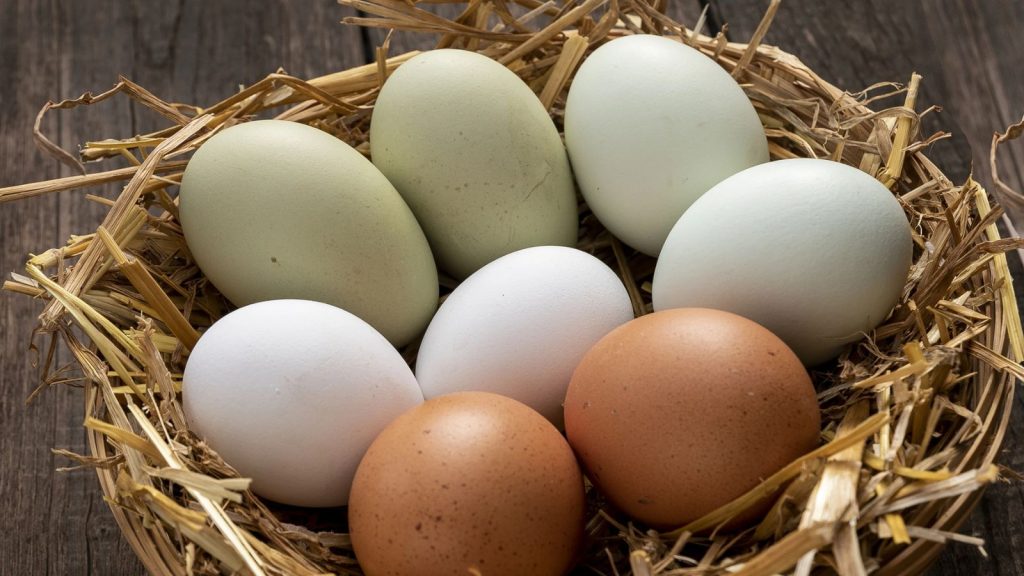
Yes, Plymouth Rock chickens are egg-cellent layers! Each hen will produce around 200–280 large, light brown eggs per year, putting them among the top performers for a heritage breed. This consistency makes them a great choice if you want a reliable supply of eggs without relying on commercial hybrids.
Plymouth Rock hens typically start laying at around 18 to 22 weeks of age, and will lay well for the first 2-3 years. After this, egg production may gradually decline, but many will continue to lay a few eggs per week well into their fifth or sixth year.
Are Plymouth Barred Rock chickens good for meat?
These beautiful big birds are classed as a dual-purpose breed, meaning they’re often reared for both eggs and meat. They’re not as fast-growing as modern meat hybrids, but they offer a more natural growth rate and rich, flavorful meat.
So, if a homegrown chicken dinner tempts your tastebuds, consider adding some Plymouth Rocks to your flock.
Are Plymouth Barred Rock chickens friendly?
Barred Rocks are famous for their calm, friendly nature. They’re curious, sociable, and a great fit for families with children or anyone who enjoys interacting with their flock. These birds will happily follow you around the yard, waiting for a cuddle or a tasty snack!
As someone who’s experienced the difficulties of caring for flighty, nervous hens, choosing a breed that is easy to handle is a must-have. When it comes to giving medication or checking over a poorly chicken, one that is easy to handle makes routine healthcare a cinch.
Do Plymouth Barred Rock chickens do well in cold or hot climates?
Plymouth Barred Rocks are very tolerant of cold climates. Their dense feathering and robust bodies help them withstand chilly winters, and their small, single comb is less prone to frostbite than some other breeds. As with any chicken, shelter from wind, rain, and snow is essential through the winter months.
While they handle the cold well, Plymouth Rocks aren’t the best choice for regions that experience summer heat waves. They’ll need shade, fresh cold water, and proper ventilation to keep cool, but can still suffer from heat stress.
If you live in a warmer climate, consider breeds better adapted to hot weather, such as Leghorns or Dominiques.
Do Plymouth Barred Rock chickens go broody?
Unlike many other heritage chicken breeds, Plymouth Barred Rock hens don’t tend to go broody often. It can happen occasionally, and when they do, they generally make attentive, reliable mothers.
This might be a plus if you want steady egg production, as broody hens disrupt your supply. But if you’re hoping to hatch chicks, you might want to add breeds with strong mothering instincts, like Silkies or Buff Orpingtons, to your flock. Of course, there’s always the
How much space do Plymouth Barred Rock chickens need?
Plymouth Rocks are big chickens who enjoy active foraging, so provide plenty of space in the run for your birds to roam and scratch around. A free-range setup works well for these birds,
but if that’s not an option, aim for at least 10 square feet per chicken in the run.
How long do Plymouth Barred Rock chickens live?
With proper care, Plymouth Barred Rocks typically live between 6 and 8 years, and many hens will continue laying well after other breeds have retired.
Their hardy constitution and friendly nature make them great long-term members of the flock, which is a particular bonus if, like me, you cherish not having to replace your laying hens every few years.
Are Plymouth Barred Rock chickens a good choice for beginners?
Plymouth Barred Rocks are one of the best breeds for beginners. They tick all the right boxes – low-maintenance, friendly, and consistent egg layers – making chicken keeping easy for first-timers.
Plymouth Rocks adapt well to new environments and can become very tame, following you around the yard for treats and attention.
