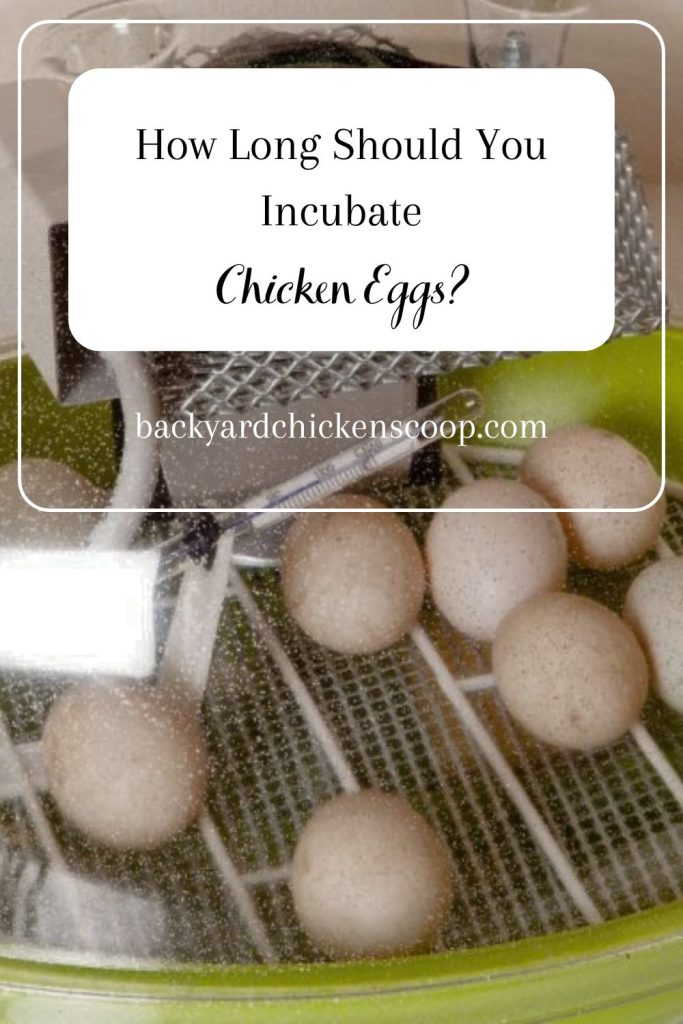
Once your chicken lays eggs, it is common to look forward to hatching chicks and expanding your backyard flock.
Incubating chicken eggs is an enjoyable experience, especially if you are doing it for the first time. This 21-day project requires careful attention and deliberate actions, allowing you to bond with your pet chickens. The success of the incubation process depends on several factors, including the care you provide and the quality of your equipment.
It’s important to incubate only fertilized chicken eggs, as unfertilized eggs will not hatch. If you don’t have a rooster, you can order fertilized eggs from poultry farmers who keep roosters in their flock.
With the right care and equipment, you can enjoy the process of hatching chicks and growing your backyard chicken family.

What Happens if Chicken Eggs Don’t Hatch in 21 Days?
The standard time it takes for chicken eggs to hatch is 21 days. However, it’s not unusual for them not to hatch within that time period. Several factors cause this scenario. The most common reason is that the eggs were not fertile.
As mentioned above, chicken eggs must be fertilized for them to hatch. Candling, which means shining a light through an egg to check whether it’s fertile, is a viable way to check whether the eggs you are incubating are fertile.
If you see a glowing reddish-pink light inside the egg, this is an indication that it’s fertile. The chicken eggs are not fertile if you don’t see any of that. The best time to do this exercise is 7-10 days after the incubation period begins.
Another reason chicken eggs don’t hatch in 21 days is the

Monthly Egg Tracker For Chickens
This planner will help you track production so you can notice trends and celebrate results!
Understanding the Hatching Process of Chicken Eggs
Normally, chicken eggs should hatch at the same time. However, several factors can affect this. One factor is fluctuations in the temperature in an
Temperature plays a very important role in a successful incubation period. That’s why it’s vital to maintain temperatures at 37.5C. Another factor is the age of the eggs. A difference in the age of chicken eggs affects the hatching time.
If there is a big difference in the age of the incubated chicken eggs, they will hatch at different times. Therefore, it’s prudent to consider the age of the chicken eggs you incubate for better results. Of great importance still is the health of the mother chicken. If the mother chicken is healthy, chicken eggs will hatch within the normal 21 days.
What Happens If A Chick Hatched Too Early?

If a chick hatches too early, it poses several challenges. It’s important for the normal incubation period to end for a chick to hatch, and if it hatches too early, its development will be affected.
One outcome of such a scenario is that the chick might be weak or have a deformity. Usually, deformed and weak chicks eventually die if proper care is not taken. Furthermore, since a chick needs to develop fully inside the egg before it hatches, a hatch that is too early might be a concern.
The chick is vulnerable to bacteria during this time, affecting its healthy development. If a chick hatched too early, try adjusting the
Let the chick’s temperature be comfortable, and make sure the environment is warm enough. Moreover, handle the chick with care so that you don’t injure it. How well you take care of the chick will determine its overall health.
Manual vs Automatic Incubator

Whether to use a manual or automatic
You should be aware of everything that is going on inside the incubator. In other words, you should manually know the condition of the incubated chicken eggs during the 21 days. For example, you have to control the temperature of the
Again, the eggs have to be turned manually, which requires a lot of time and effort for a successful incubation process. If you are readily available during the incubation period, then this is an option you can choose.
Alternatively, you can opt for the automatic incubator. Of course, this one is more expensive than the manual one. However, it saves chicken pet owners time and effort despite its cost.
The automatic controls allow the incubator to manage the temperature and humidity effectively and easily. In addition, such an incubator can turn eggs on its own, making monitoring everything during the incubation period easier and more convenient.
If you would like to start incubating chicken eggs, this information is highly valuable. Now that you know how long it takes to incubate chicken eggs, you should prepare for the important process. You should have all the equipment ready, as well as your commitment to seeing the incubation period through.
Other Ideas You Might Like
- 14 Best Chicken Breeds That Consistently Lay Great Eggs
- How to Raise Meat Chickens
- How to Choose a Heritage Chicken Breed for the Homestead
Indeed, commitment is paramount for you to have positive outcomes. Constant monitoring of the incubated eggs goes a long way in hatching healthy eggs. Therefore, consider following this helpful information in your chicken eggs incubation project for quality results.
Reference
Noiva, R.M., Menezes, A.C., & Peleteiro, M.C. (2014). Influence of temperature and humidity manipulation on chicken embryonic development. BMC Veterinary Research, 10: 234.